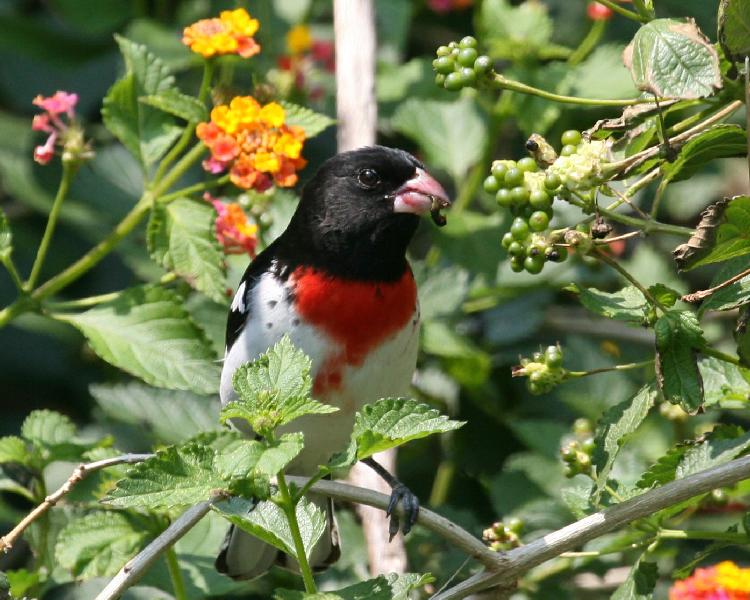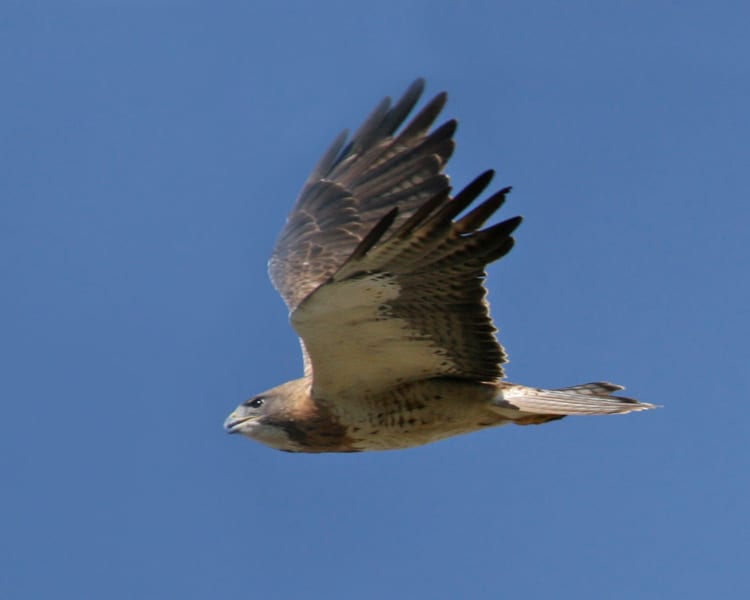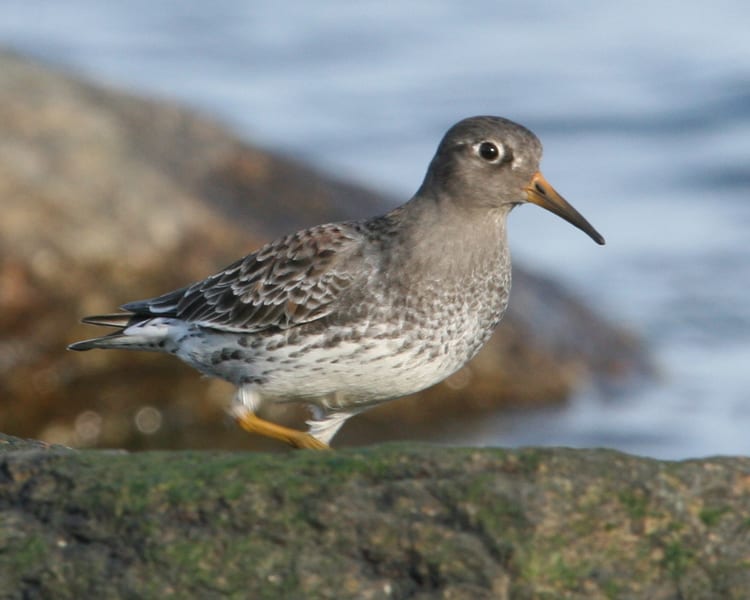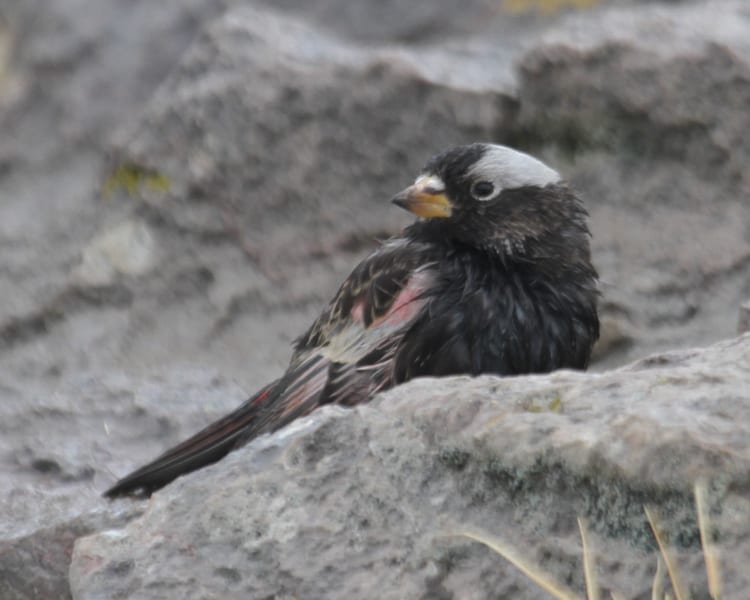
HOME PAGE
 
 
BIRD PHOTOGRAPHY
by
JOHN SCHWARZ


Welcome to BIRDSPIX.COM, founded October, 2006, a web site dedicated to the beauty and diversity of North American birds.

     On this page you will find regularly updated news, and links to new photos of both previous and new species added on an ongoing basis, so please feel free to visit often.

     Photos are listed two different ways - alphabetically by species, and in the Photo archive arranged by family groups.  There is also an educational and entertaining test yourself section.

     The many pictures displayed on this site are offered for your personal enjoyment and for education, and are not intended for commercial use.  Higher-resolution files of many of the photos on the site are available for licensed one-time use upon request for modest consideration. Thank you for your cooperation. Your comments and suggestions are encouraged and welcomed.


LINKS

Whatbird.com
(excellent site for aid
with bird identification)

Sunrise Birding
Great sight for planning worldwide birding trips, and also for year-round educational bird walks along the Connecticut shore.

Wind over Wings
A marvelous organization that rescues injured raptors.


PHOTO ARCHIVE
Species grouped by family


SPECIES LIST
BY ALPHABET

All the species
currently on the site

PICTURE OF
THE MONTH

   TEST YOURSELF
  SECTION
p1 p2 p3 p4 p5 p6 p7
p8 p9 p10 p11 p12 p13

p14 p15 p16 p17p18 p19
p20 p21 p22 p23

LIST OF STATE BIRDS


BIRDS OF GALÁPAGOS
SPECIALTY
NON_SPECIALTY


BIRDS OF ECUADOR
HUMMINGBIRDS
TANAGERS
MISCELLANEOUS

BIRDS OF COSTA RICA
HOME
HUMMINGBIRDS
WARBLERS
ANIMALS

ABOUT
JOHN SCHWARZ


CONTACT


REPORT BROKEN LINKS


NEWS & RECENT OUTINGS

Month of May, 2008

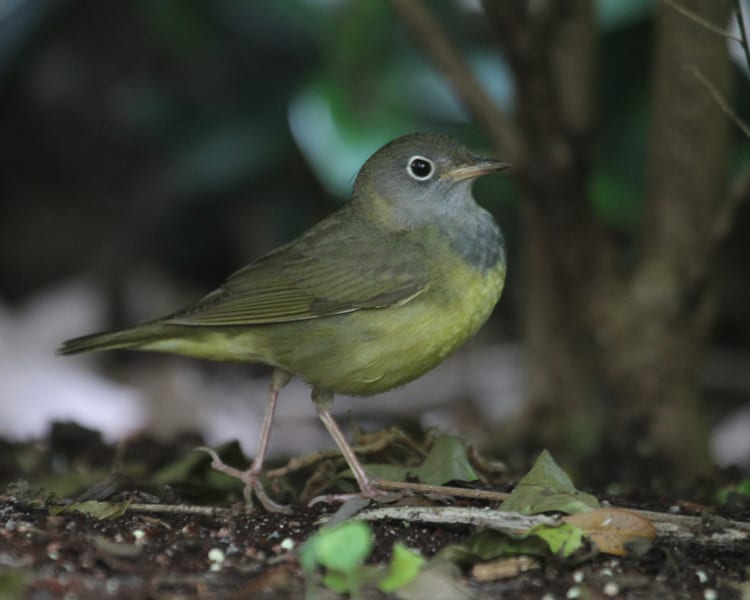
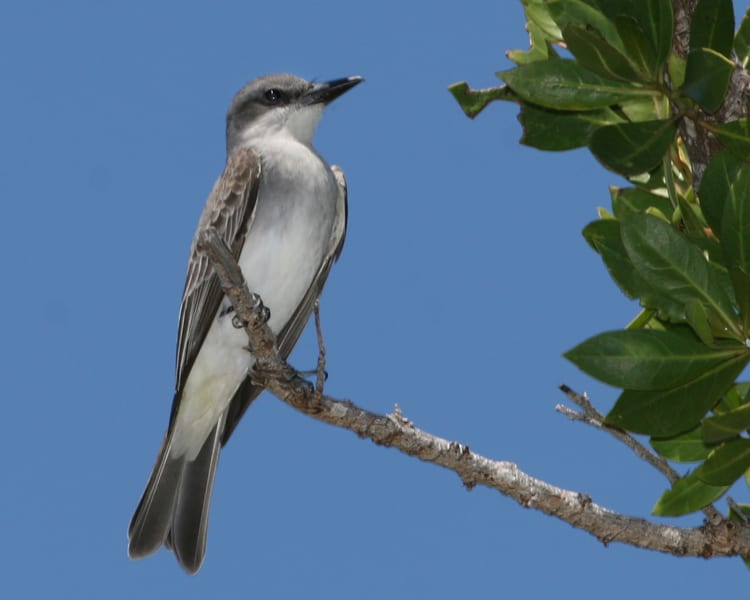
5/11/08  Spanish River Park again. A pair of Gray Kingbirds this morning, but still no Connecticut Warbler sightings - anywhere.


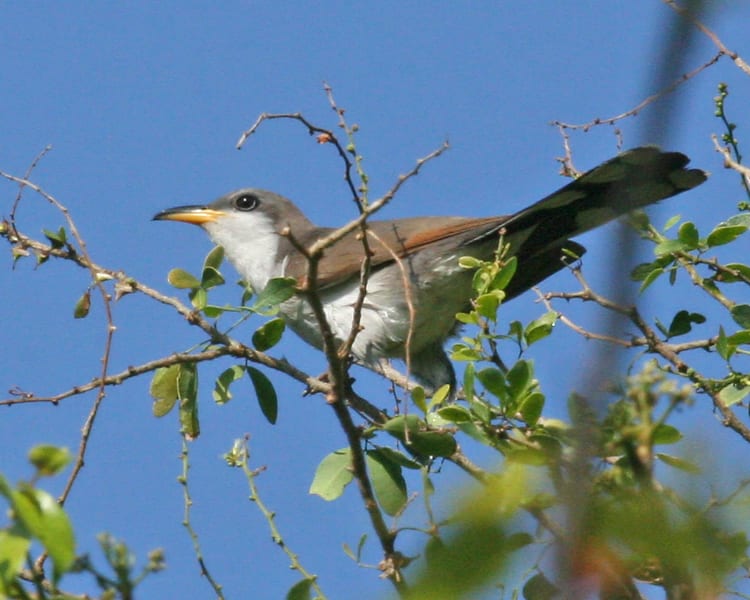
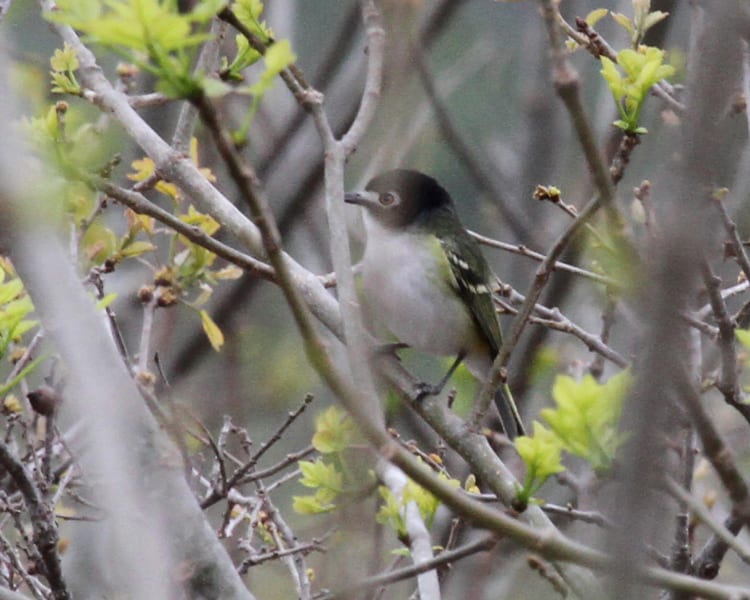
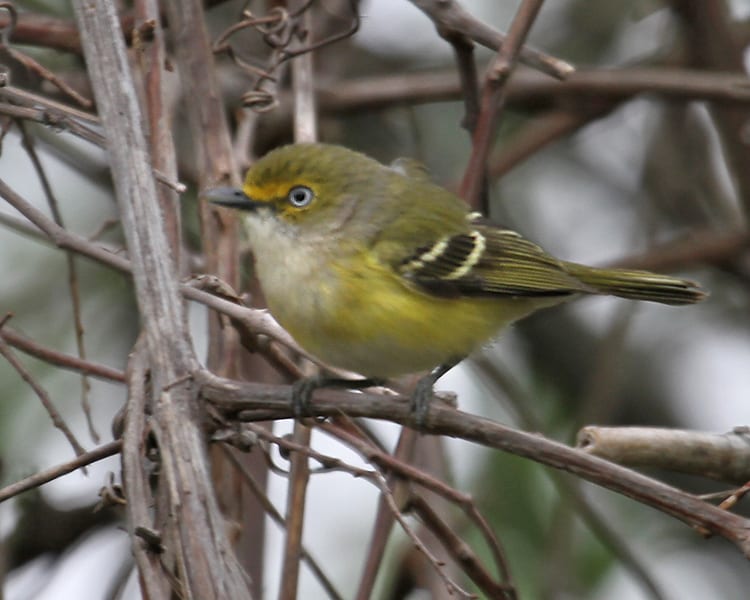
5/10/08  The search is on all over south Florida this weekend for Connecticut Warbler, a species that migrates through the area for a brief several-day window each year during the second week of May. One was seen briefly by two observers three days ago at A.D. Barnes Park southwest of Miami, but nothing at all since. This morning at Spanish River Park in Boca Raton were a pair of Yellow-billed Cuckoos and a Black-whiskered Vireo, but for the third straight day no Connecticut Warbler.


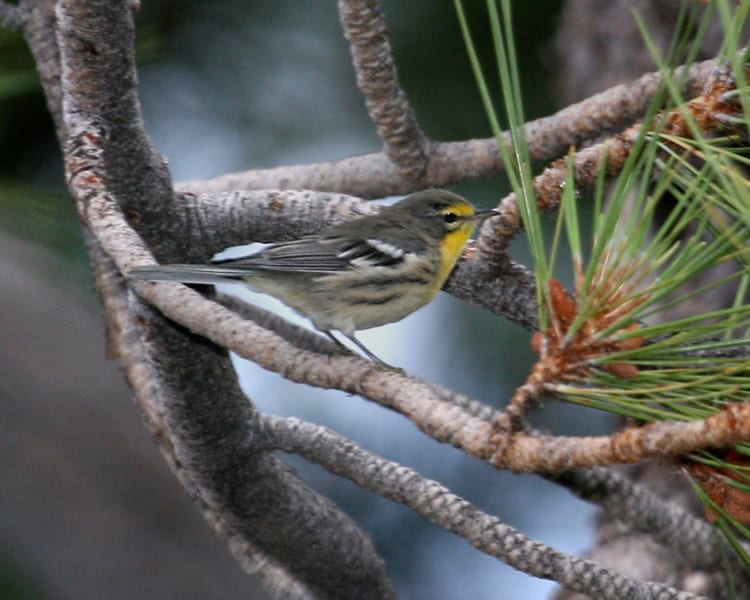
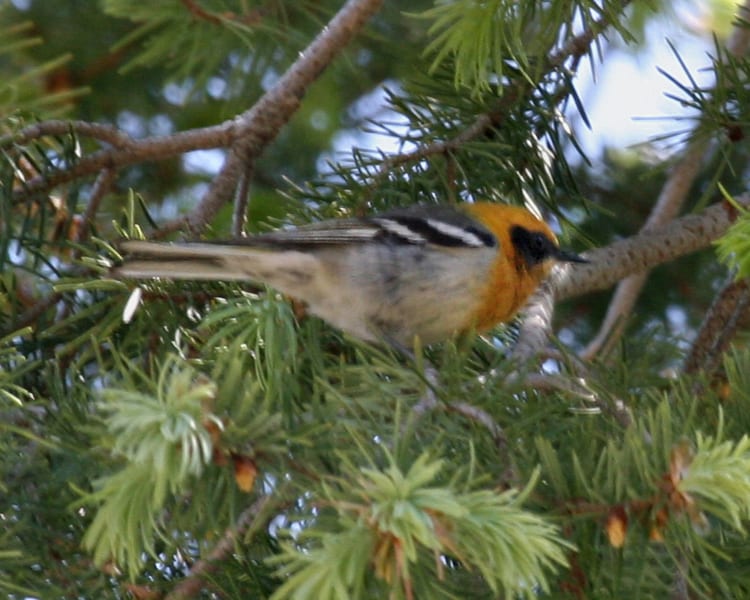
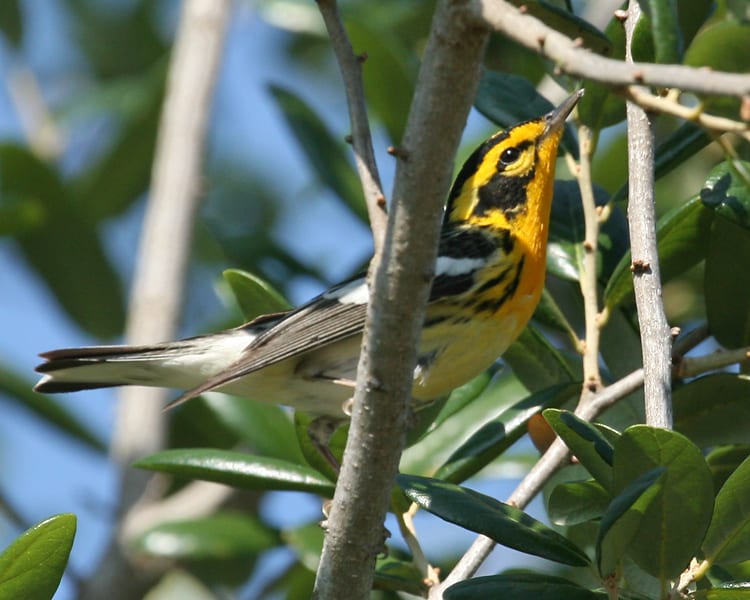
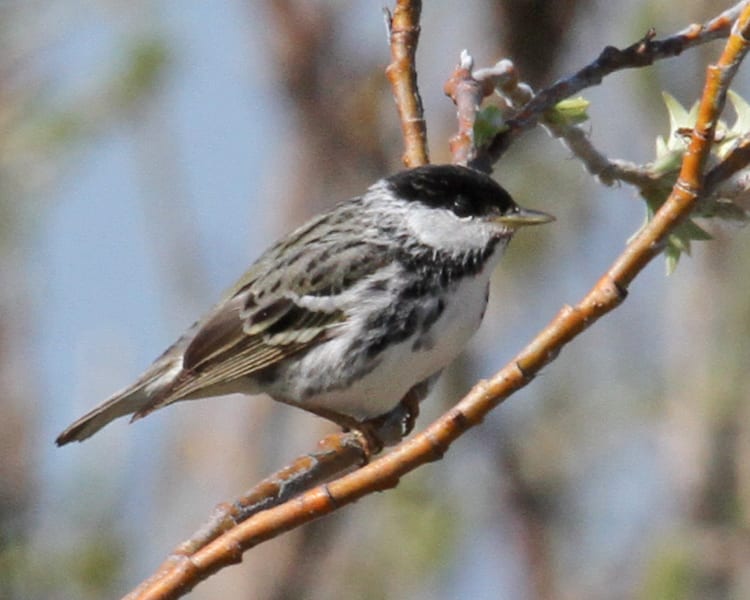
5/6/08  Green Cay Wetlands, Boynton Beach, FL.  After searching unsuccessfully for a Blackburnian Warbler that had been reported earlier in the day in a live oak tree to the right of the entrance walkway, I discovered the bird in a different live oak tree at the edge of the parking lot about 35 yards to the left of the entrance.


Month of April, 2008


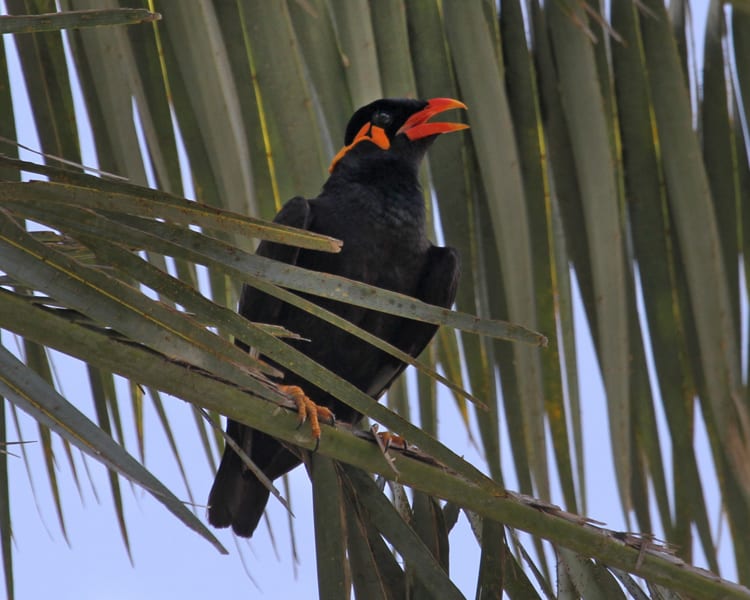
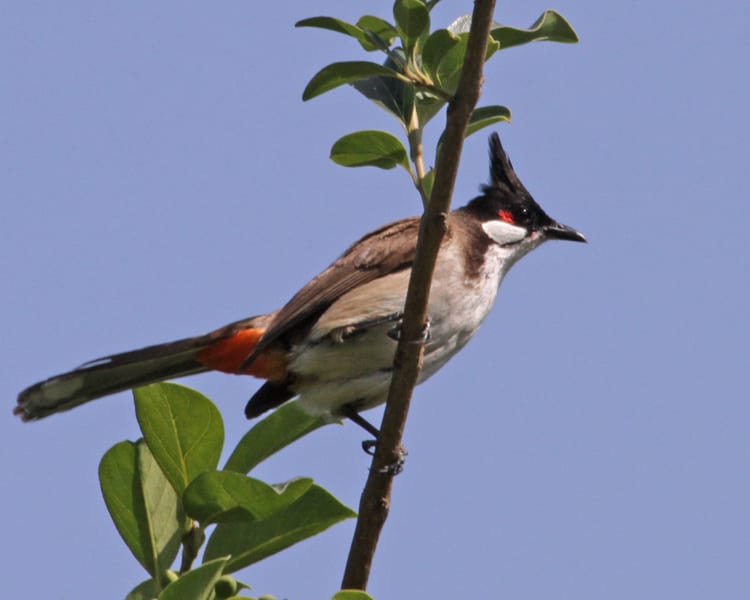
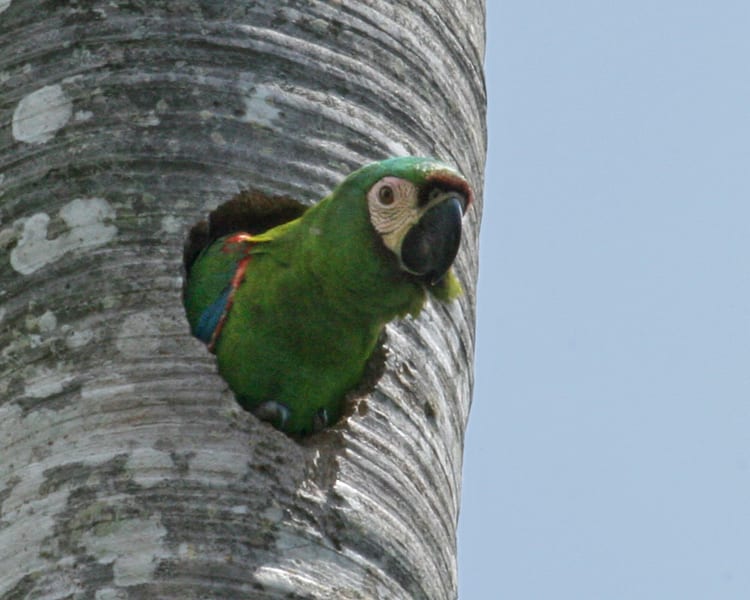
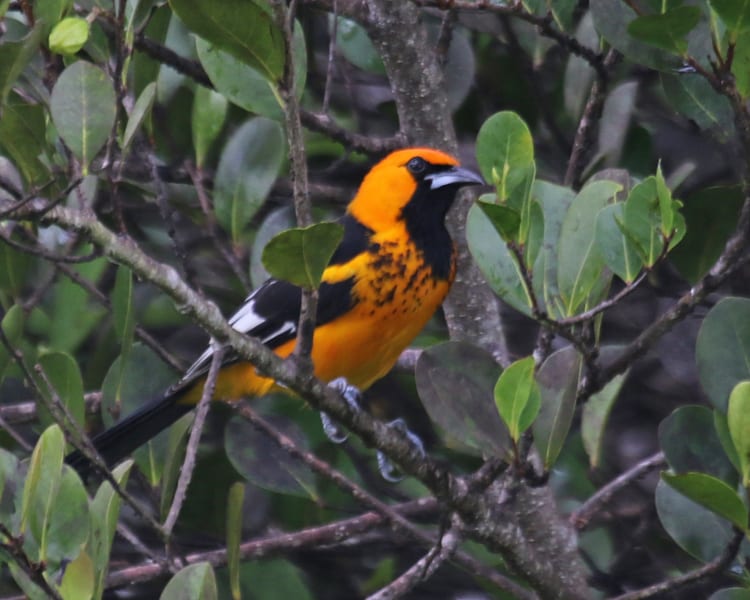
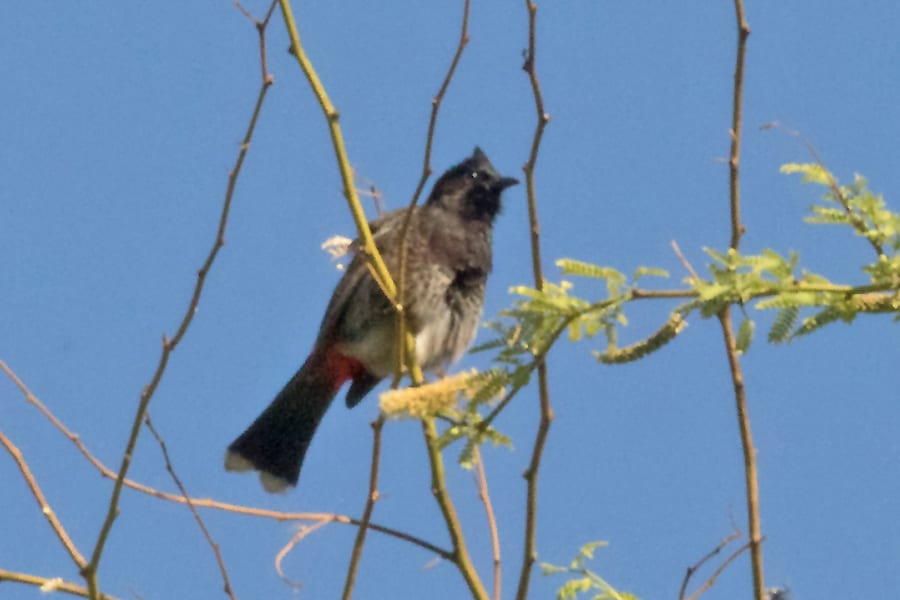
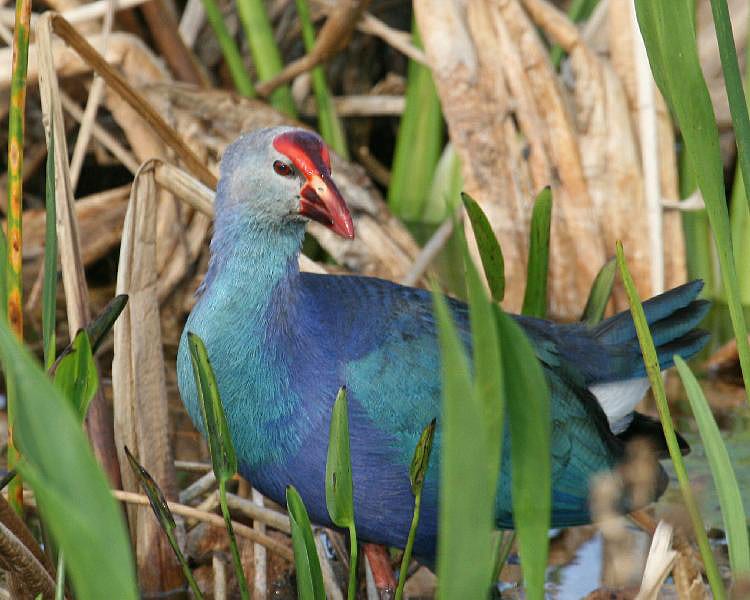
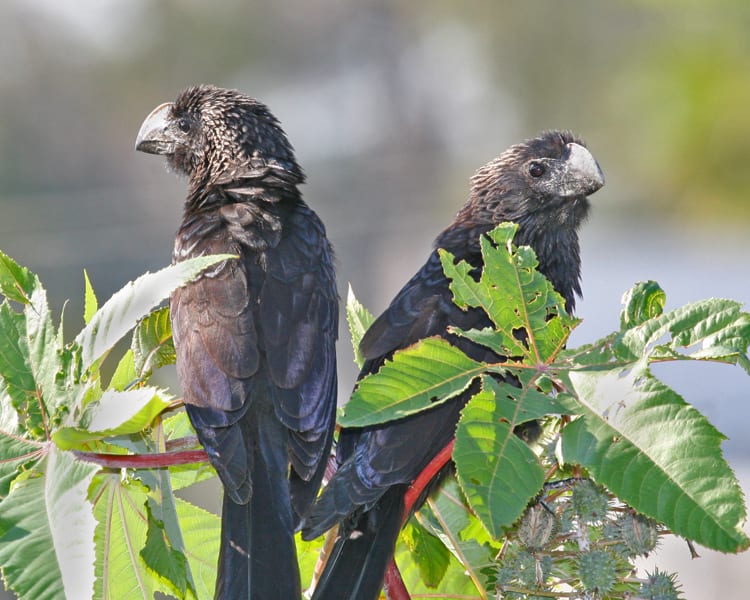
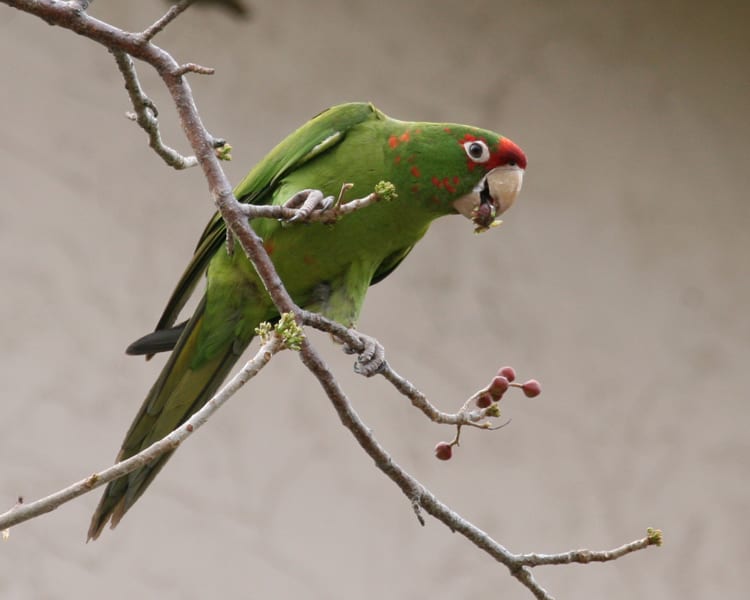
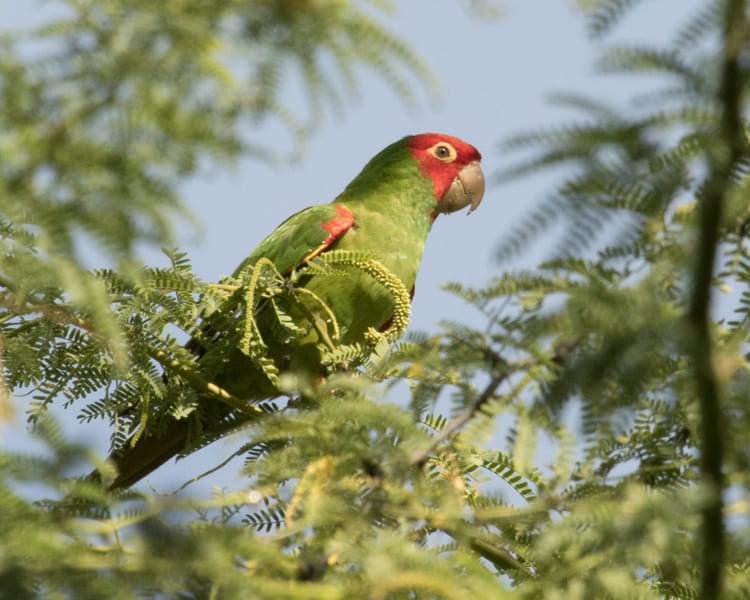
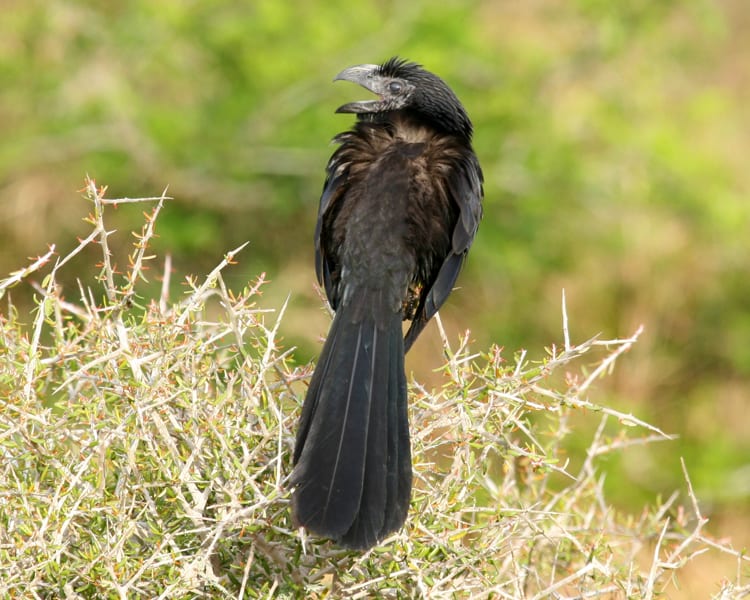
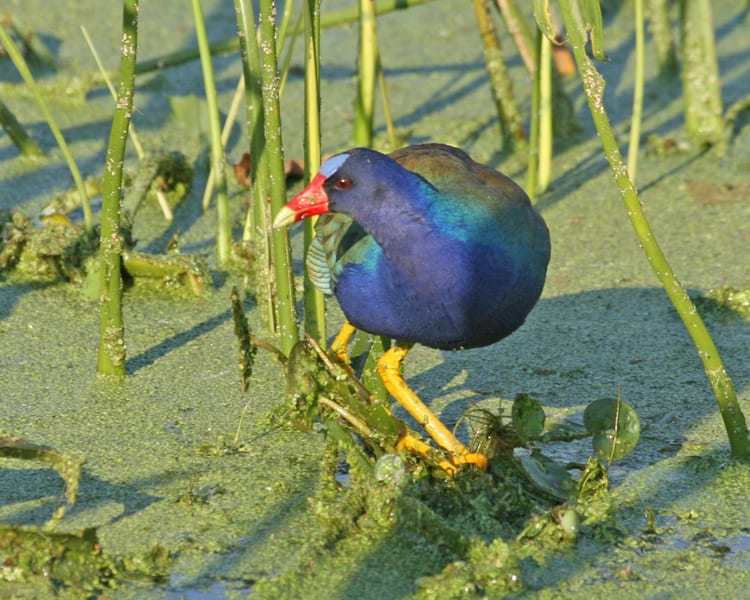
4/30/08  Made the Greater Miami rounds to find life-birds for out-of-town visitors. Target birds found included Smooth-billed Ani in Fort Lauderdale, Red-whiskered Bulbul and Mitred Parakeet in Kendall, Spot-breasted Oriole in Miami Springs, and Hill Myna and a surprise Chestnut-fronted Macaw in Matheson Hammock, Coral Springs. The previously reliable Purple Swamphens in Pembroke Pines unfortunately do not appear to be present there anymore.

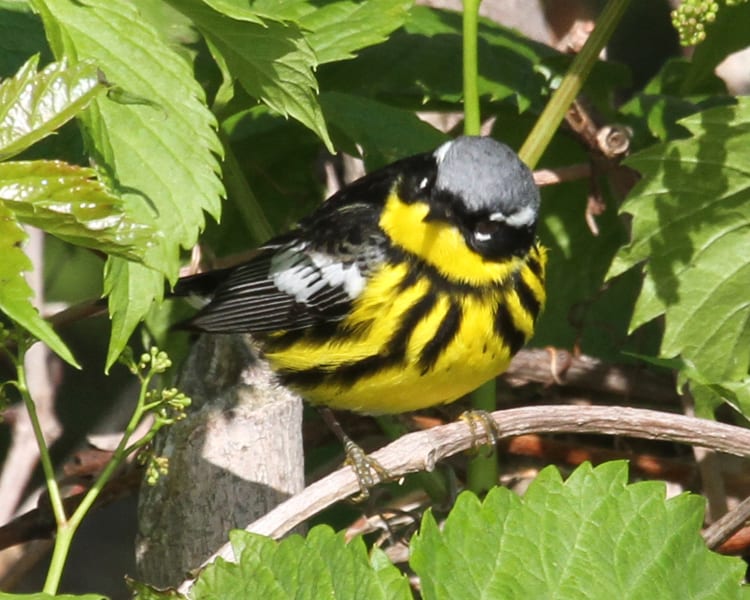
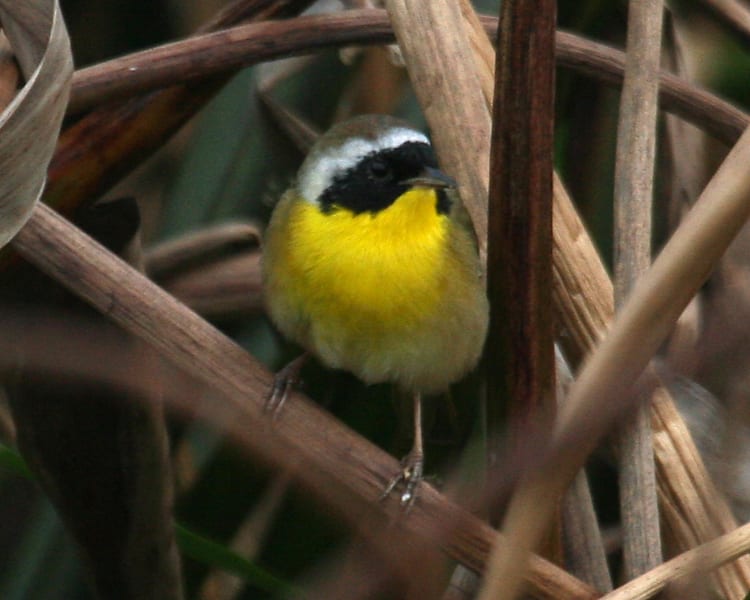
4/29/08  Many warblers at Spanish River Park in Boca Raton this morning, including dozens of Black-throated Blues, numerous American Redstarts, Cape Mays, Blackpolls, Black & White, Ovenbird, Common Yellowthroats, and one beautiful male Magnolia Warbler.


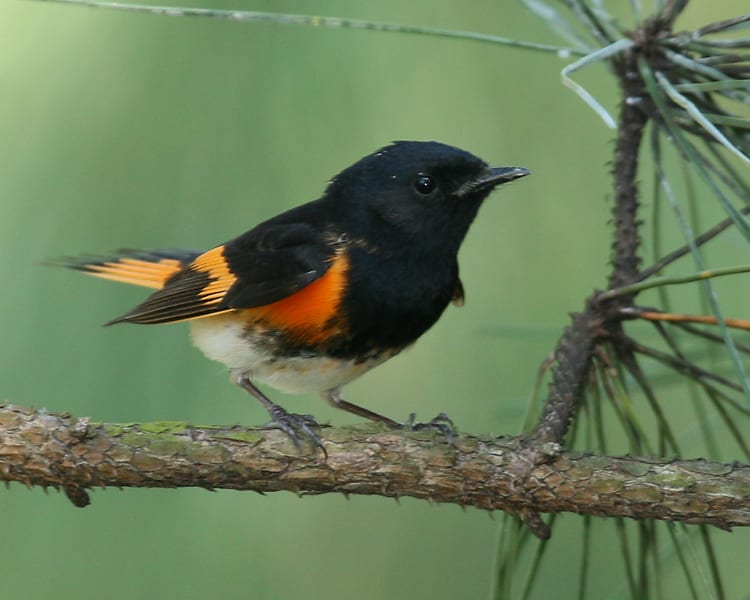
4/24/08  Warblers now beginning to show up in numbers here in Florida, like this colorful male American Redstart this morning at Wakodahatchee Wetlands in Delray Beach..


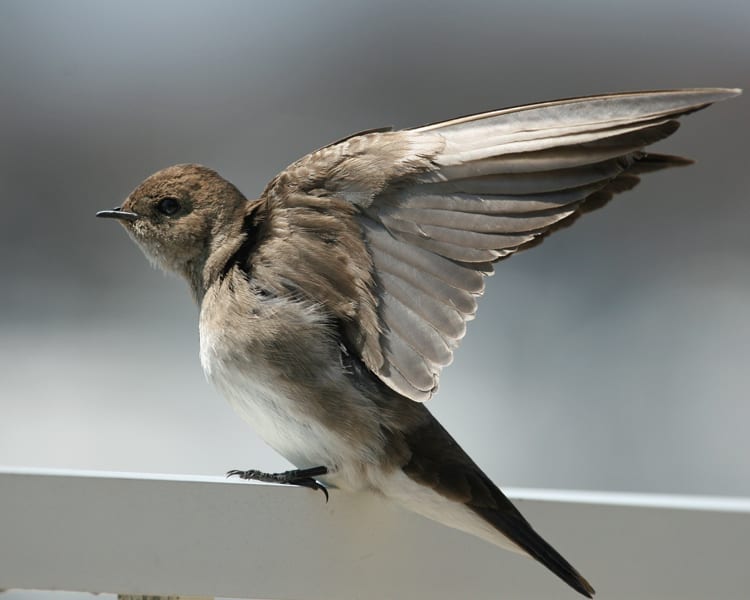
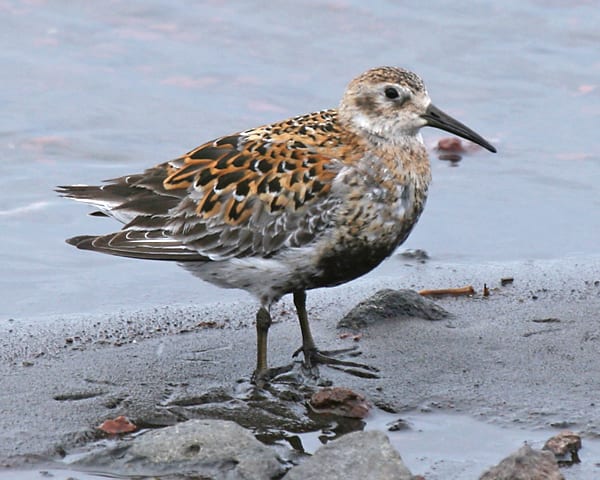
4/22/08  Birdspix was back in Westbrook, CT for six days. There was a rare Ruff mixed in with the lesser and greater yellowlegs on the mudflats at Grace Salmon Park on the Saugatuck River in Westport. Brown thrashers were an early spring arrival at Hammonasset State Park in Madison and could be seen prominently perched and singing continuously. There was also a pair of Northern Rough-winged Swallows flitting along the Pilots Point shore and occasionally posing for close-ups. Migrating Brants were in numerous locales along Connecticut shore of the Long Island Sound, as they reliably are this time of year.


4/13/08  Test Yourself page 23 is now available.

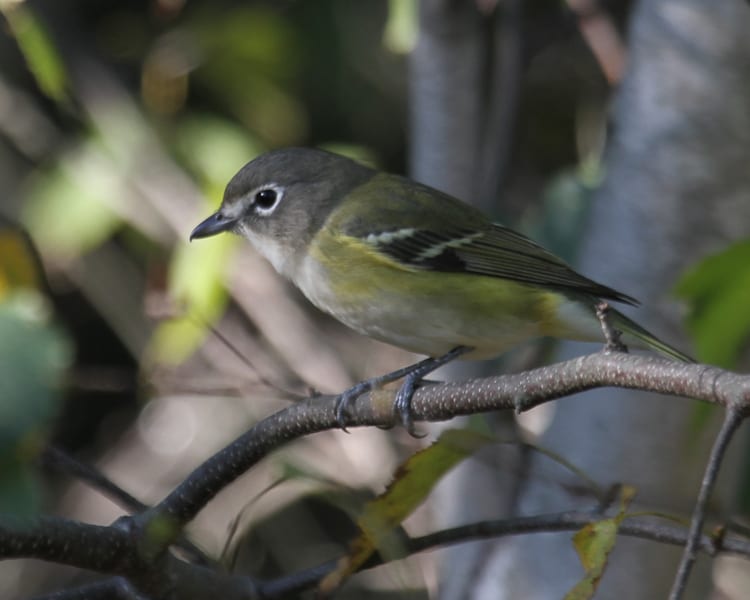
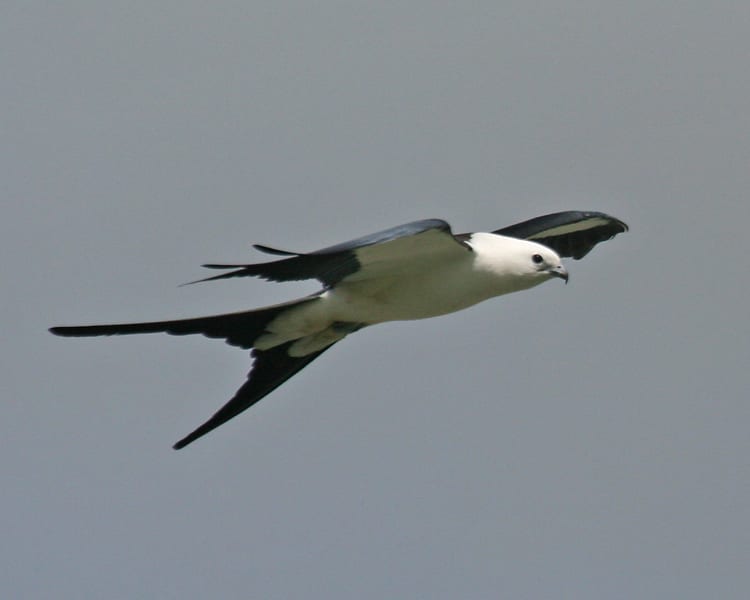
4/9 - 4/12/08   A return visit out of Key West to the Dry Tortugas with Larry Manfredi's South Florida Birding, a trip I recommend highly. Not only is Larry very knowledgeable, and the birding unusual, but the food on board the "Playmate" is outstanding! On the drive down to Key West to join up with Larry's boat trip, my morning stop in Everglades National Park yielded excellent viewing and photos of a pair of magnificent Swallow-tailed Kites. In Key Largo, the Dagny Johnson Park was a good place to find a cooperative Black-whiskered Vireo, and the photos this time were considerably better than the ones from last July.

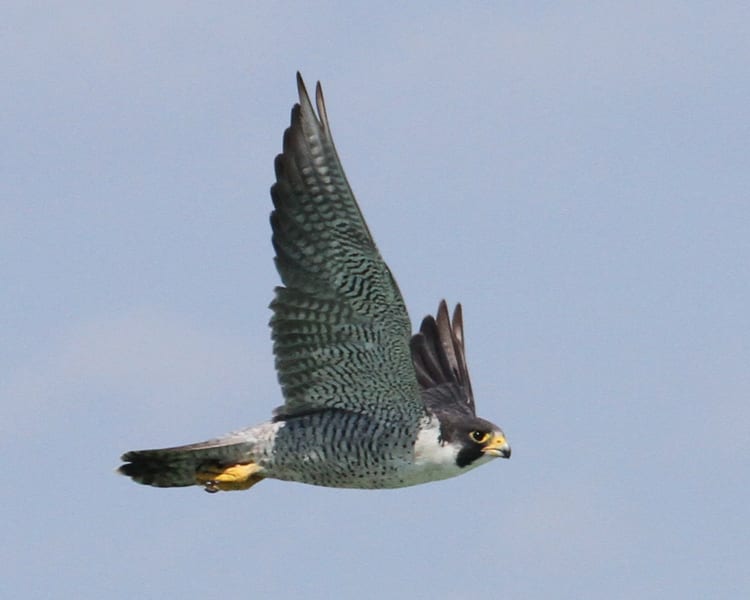
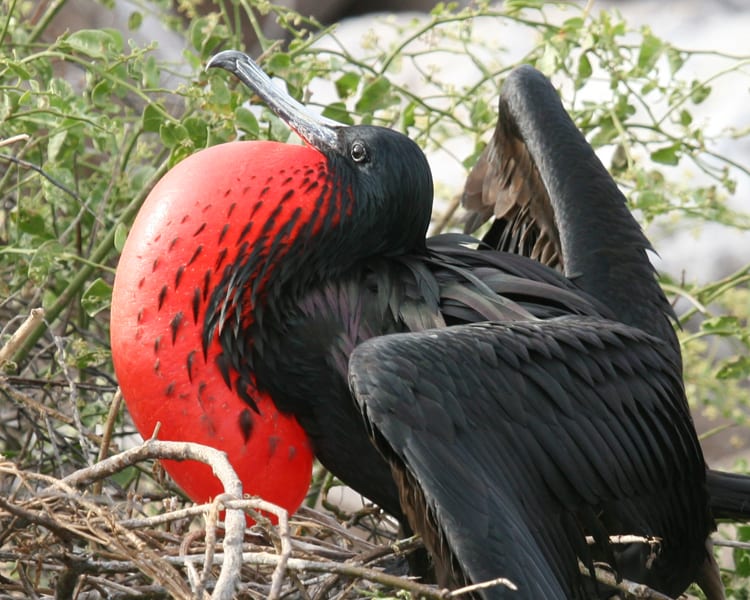
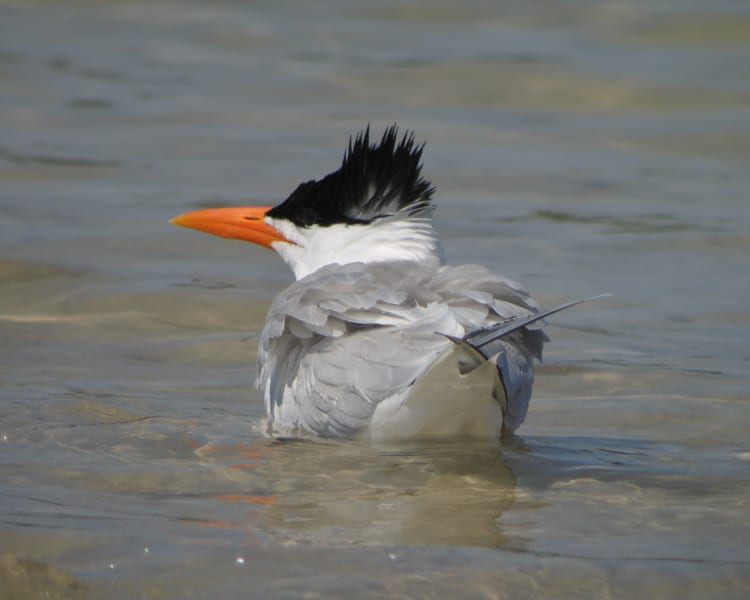
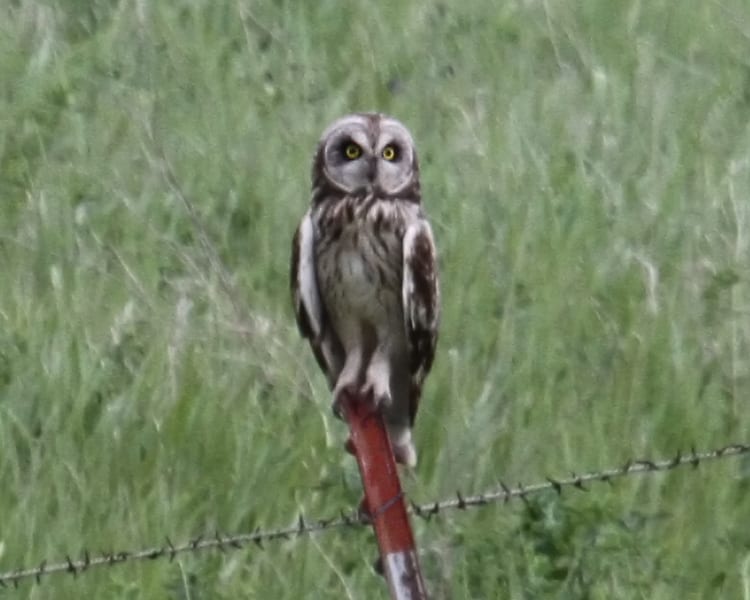
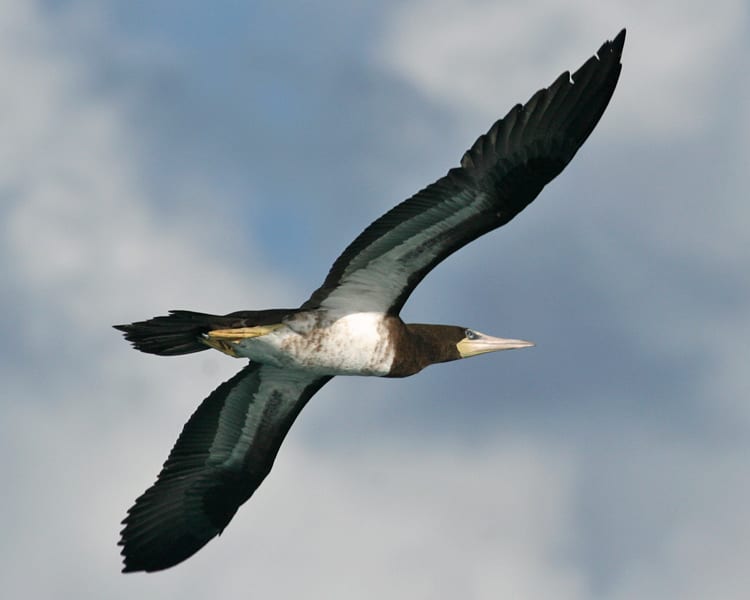
Along with the reliable resident species of the Florida Strait and the Tortugas such as Brown and Masked Boobies, Brown Noddy, Sooty, Royal, Sandwich, and Roseate Terns, Magnificent Frigatebird, Northern Gannet, Short-eared Owl, Broad-winged Hawk, Peregrine Falcon, and others, this trip produced a rare (in the U.S.) Black Noddy, as well as its share of migrating passerines including Swainson's Warbler.

On my drive back from Key West, a multi-location search for the elusive Mangrove Cuckoo was finally successful back at Dagny Johnson Park where, just before sunset, a pair was calling and one Mangrove Cuckoo made a two-minute appearance in a nearby tree.


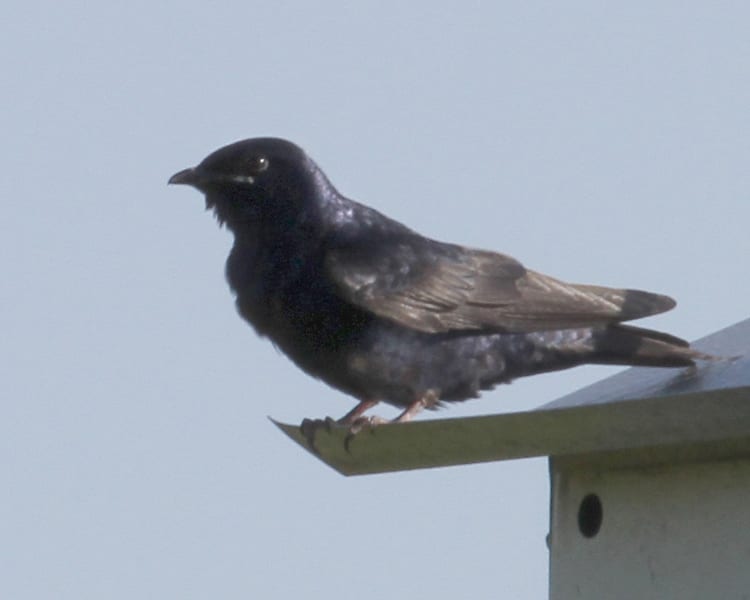
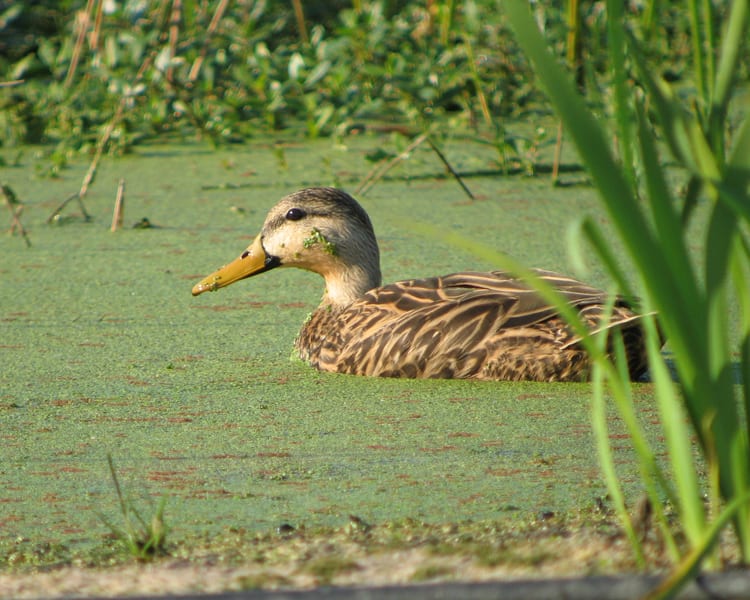
4/7/08 Today Green Cay offered good photo opportunities for Limpkin close-ups, newly hatched Mottled Ducks, and Purple Martins in flight.

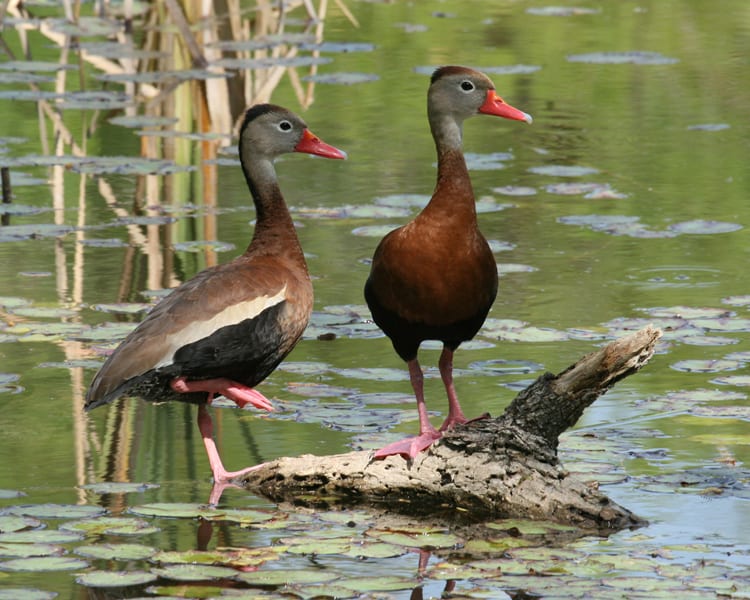
Also present was a flock of eleven Black-bellied Whistling Ducks.


Month of March, 2008

3/17/08  Several families of baby Common Moorhens at Green Cay Wetlands.


3/9/08  Another family of baby Limpkins at Green Cay Wetlands.  An American Anhinga trying to do a balancing act on the back of a Florida Red-bellied Turtle.


Month of February, 2008

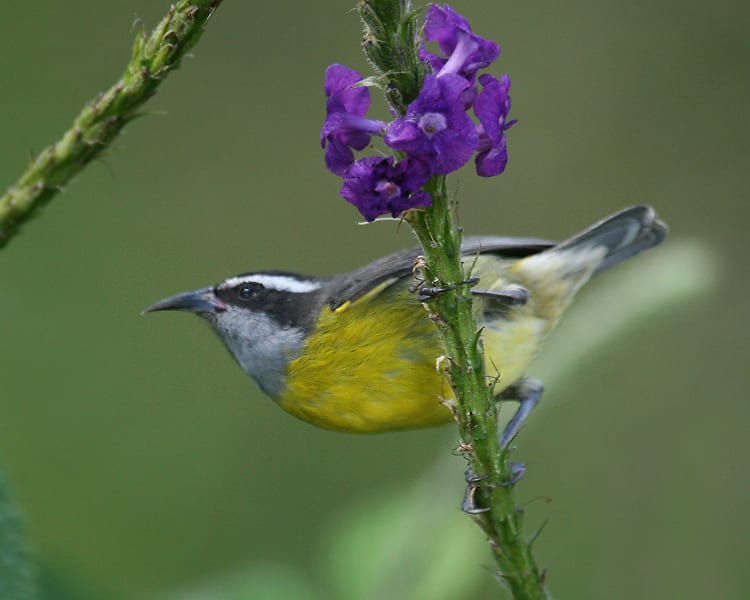
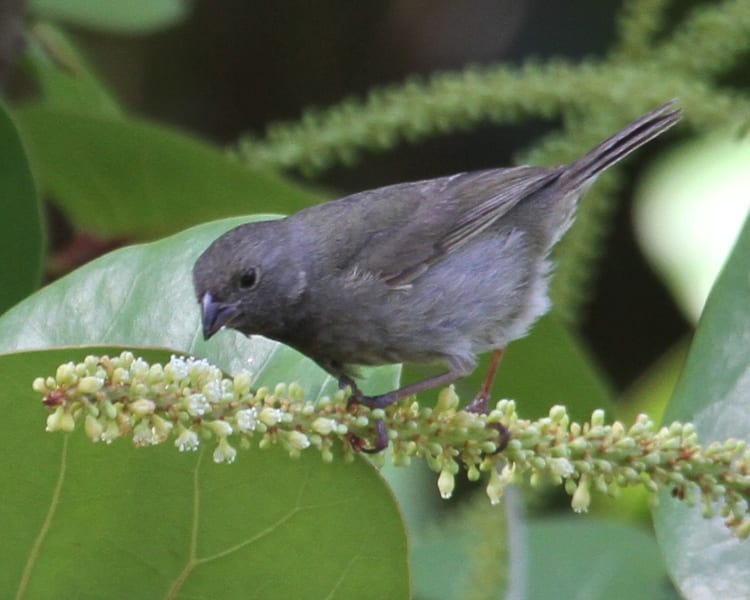
2/18/08  A Bananaquit, a rare visitor from the Bahamas to South Florida is currently being seen in a residential neighborhood in Hollywood, FL, not far from the intracoastal waterway. This morning the bird was feeding in clear view, and was also joined by a pair of Spot-breasted Orioles.


2/4/08 There is a family of two adults and four baby Limpkins at Green Gay Wetlands in Boynton Beach. The adults are extremely protective of the brood as there is a pair of red-shouldered hawks watching their every move. For this reason the babies most recently aren't being readily seen away from cover.


2/2/08  Today Birdspix.com adds a new section on birds of Costa Rica photographed on the January 5 - 17, 2008 trip. Costa Rica is an often breathtakingly beautiful country, offering inspiring views of everything from mangrove rivers to active volcanoes (Arenal Volcano, left). Thankfully a large part of the country is reserved as nature preserve, where over 850 species of birds and many animals make their home. There's nothing quite like being awakened at 5:30 AM by the unwordly gutteral roars of a family of Howler Monkies living in a tree directly above your lodge accommodations!

Photography in many of the Costa Rican locales is especially challenging as lighting conditions in the rain forest are nearly always problematic and at the same time many birds are "skulkers" offering only very fleeting glimpses of themselves deep in the shadows or underbrush, while others are seen only distantly high up in the canopy. Often a bird may be visible for only a mere second as it moves through dense foliage, and even then may be partially obscured. Traveling with a group offers its own problems; optimal (or often even merely adequate) positioning or maneuvering for even a single photo can be impossible as other members of the group, each understandably eagerly vying for his or her own view, obstruct whatever fleeting view there might have been of a briefly spotted rare species. Of course this frustrating aspect is balanced by the fact that without a highly experienced group leader most of these species would never be found in the first place, so in the end one must be happy with those good ones that didn't get away, and can only be circumspect about those others that did.

Some species, such as the Chestnut-mandibled Toucan shown below, pose quite prominently, while others such as the tiny Riverside Wren (right) one is lucky to even see, never mind achieve a photograph. Occasionally one is unusually lucky, and a normally shy species inexplicably presents itself out in the open, such as this Black-billed Nightingale-Thrush (left) . A bit of indulgence is humbly requested when viewing these photos as it is necessary to remain aware of the sometimes extremely limiting observation conditions should an occasional species photo not always be of the resolution one might ideally wish for, but the alternative would have been no photo at all.

Note: Those Costa Rican birds which were often seen but are also common in the United States and already well-represented on this web site are (with a few exceptions) purposely not duplicated in the Costa Rican section. These include a number of the egrets and herons, black and turkey vultures, osprey and some of the hawks, and various others.


Month of January, 2008

Birdspix.com has just returned from a twelve day excursion to Costa Rica with Sunrise Birding combined with Birdseekers of the UK.Some 168 new species were photographed, as well as some others previously photographed in the U.S. or Ecuador. Costa Rica's amazing variety includes toucans (Chestnut-mandibled Toucan is pictured here), motmots, trogons, flycatchers, woodcreepers, antbirds, wrens, warblers, woodpeckers, tanagers, many hummingbirds, and various others. A new section on Birdspix.com devoted to Costa Rica is presently under construction and hopefully should be online within two to three weeks.


Month of December, 2007

On December 29, we participated in the annual national Christmas week bird count and, like last year, covered an area (unfortunately largely and increasingly residential) in west Boynton Beach and Hypoluxo, Florida. The tally was 88 species, including 22 limpkins, three common ground doves, three burrowing owls, a juvenile snail kite, and even an adult bald eagle - common in the state but not here in Palm Beach County.


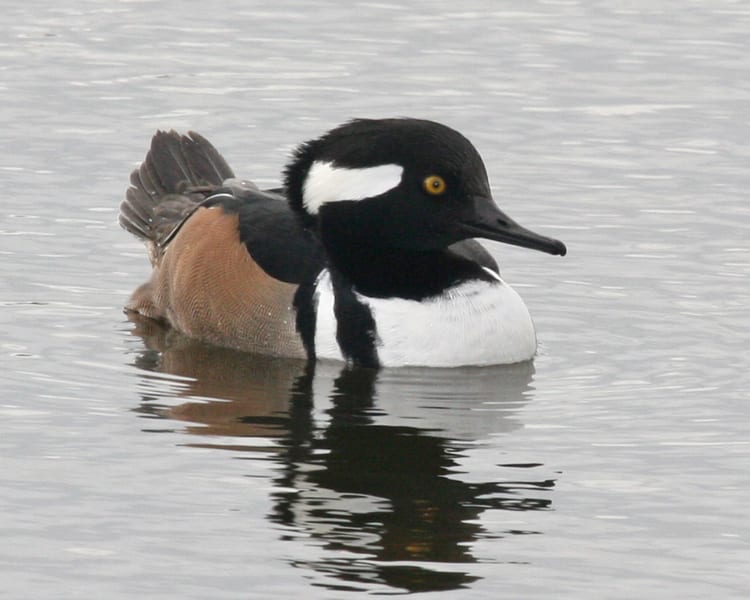
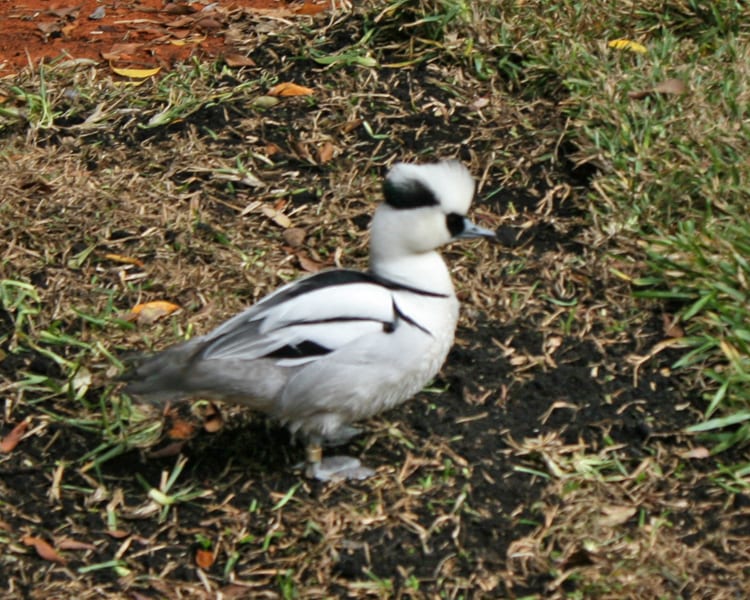
This has been a quiet month for photography here in Florida. Many of the usual resident winter birds are here, but nothing out of the ordinary. On a visit to Lake Mary, north of Orlando, there was a very accessible flock of hooded mergansers somewhat uncharacteristically wintering on several small ponds in a densely populated residential neighborhood.

The Birdspix.com quest for new photos will be on the road in Costa Rica from January 5 -17 with Sunrise Birding.


Month of November, 2007

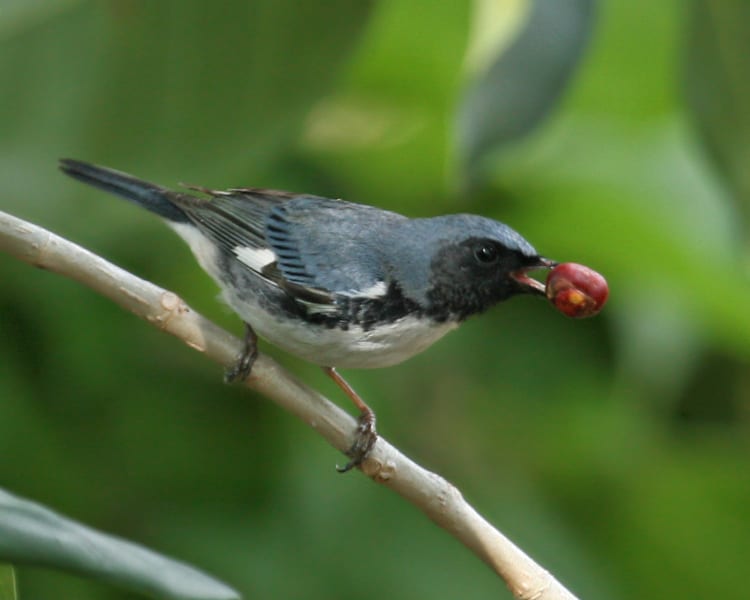
11/16/07  Only here in south Florida can you find a variety of colorful  warblers this time of year, sometimes even in your own yard. Three days ago there was a yellow-throated warbler in a palm tree next to our driveway, the second time I had seen this bird in our yard in the past week. We have two banana trees and when there are fruit flies attracted to any over-ripe fruit, it's a smorgasbord for warblers. This female black-throated blue warbler couldn't resist gorging herself on this feast of both fruit and insects.


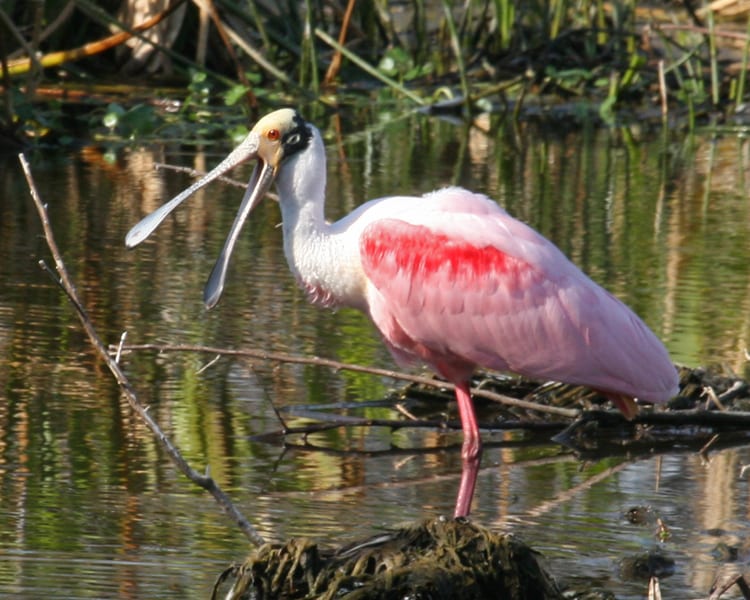
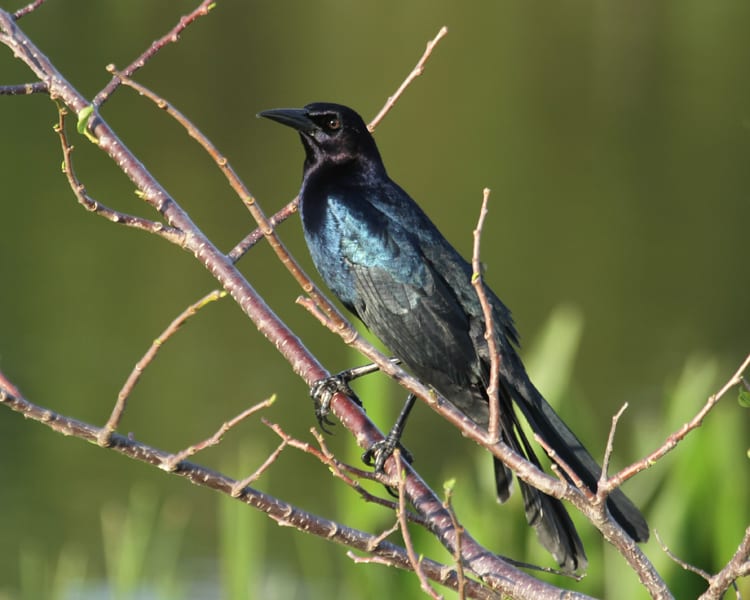
11/11/07  With a visiting birder from Calgary, Alberta, first visit of the season to Wakodahatchee Wetlands (Delray Beach) and Green Cay Wetlands (Boynton Beach). Both are excellent places for out-of-towners to get reliable close-up views of most of the more common Palm Beach County resident birds with a minimum of effort. Today, Green Cay had no fewer than five limpkins - all within twenty yards of the nature center, and three roseate spoonbills - the first I have seen there since the Wetlands opened three years ago - an encouraging sign that more species are discovering the site and making their home here. Other reliable species here at this time of year include American anhinga and double-crested cormorant, great blue, little blue, green, and black-crowned night herons, great and snowy egrets, palm, pine, yellow-rumped, and common yellowthroat warblers, common and boat-tailed grackles, common moorhen, American coot, and purple gallinule, mottled duck, northern shoveler, blue-winged and green-winged teals, pied-billed grebe, sora, white and glossy ibises, red-bellied woodpecker, red-winged blackbird, blue jay, northern harrier, red-shouldered hawk, American kestrel, and loggerhead shrike, belted kingfisher, and many wood storks. The youngsters will also enjoy the alligators and many large turtles, and Green Cay even has a bobcat.

We also looked for painted buntings, which were not present today at Green Cay at the spot where they were seen last year, however at the nature center feeders at Okeeheelee Park in Lake Worth we did find four females but, disappointingly, no males. Okeeheelee is also a good spot for ruby-throated hummingbird, prairie warbler, northern cardnal, blue-gray gnatcatcher, and a large mixed flock of mourning and Eurasian collared-doves.

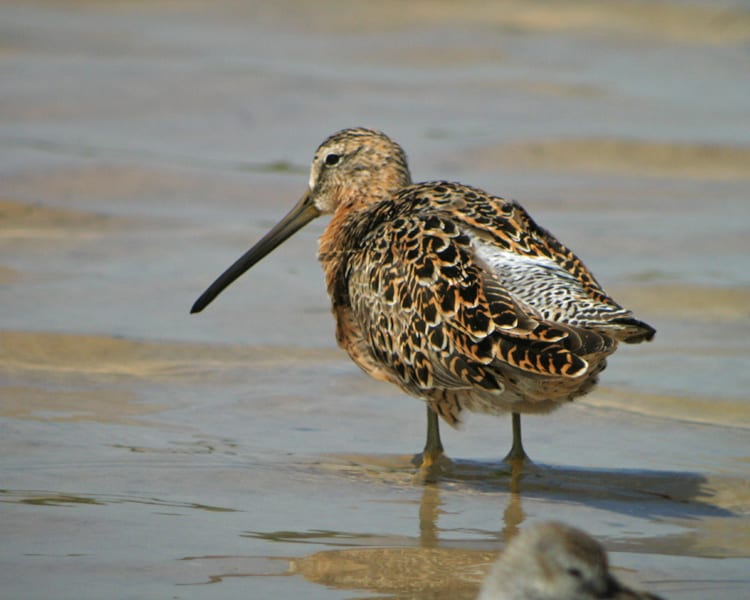
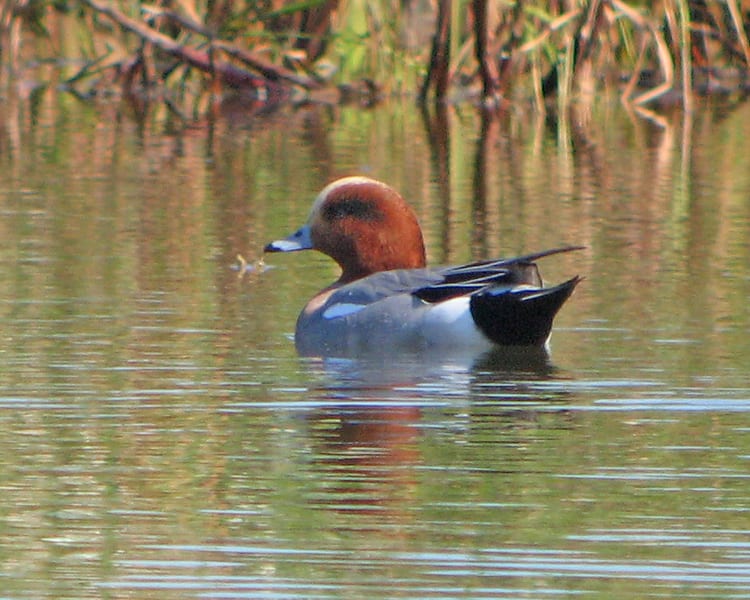
11/10/07   Back in Florida. Cutler Wetlands, Cutler Bay, FL (south of Miami, near Homestead). Visited this excellent spot for myriad wintering ducks, American avocets, long-billed dowitchers, and others, primarily to see the uncommon (in North America) Eurasian wigeon which is wintering here.
Also lots of raptors hunting here including Cooper's hawk, northern harrier, short-tailed hawk (both light and dark morphs) and even a juvenile bald eagle. All photos at this locale (except northern harrier inflight photos) were digiscoped.


Month of October, 2007

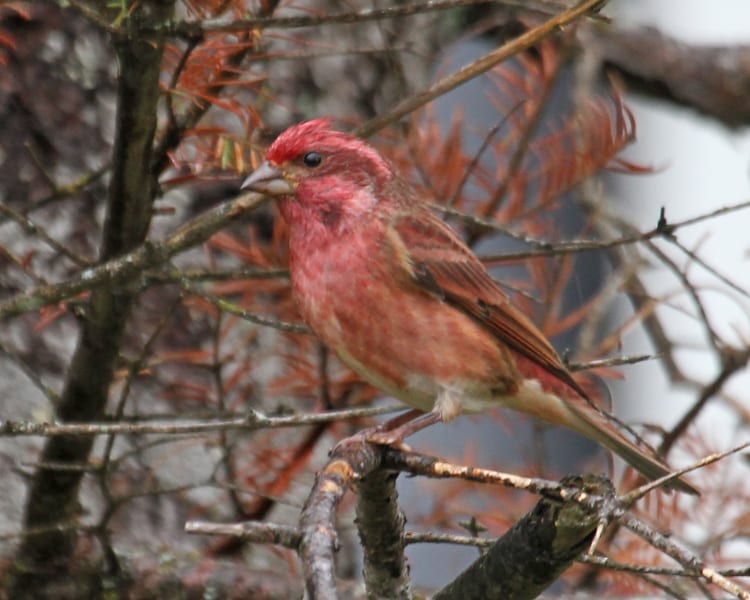
10/27/07  Vibert Road, South Windsor, CT.  Lots of purple finches around  this fall, but mostly females.


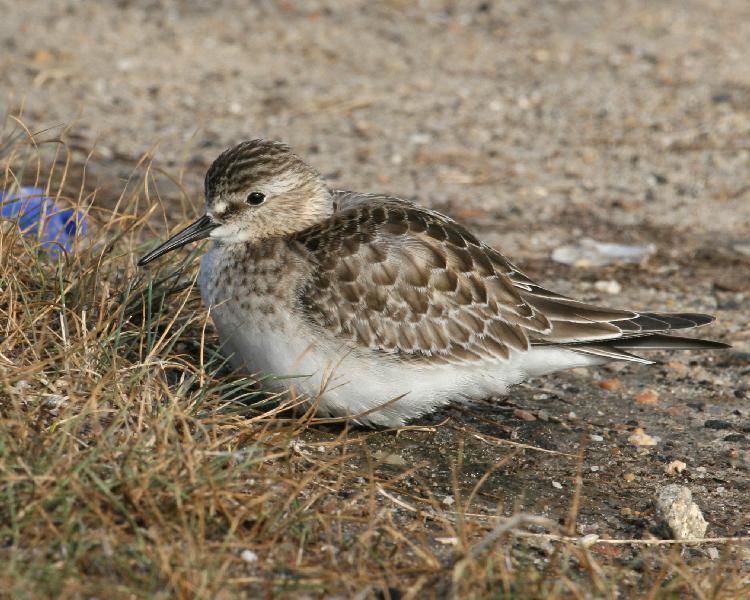
10/23/07  At Hammonasset, a late migratory juvenile Baird's Sandpiper.


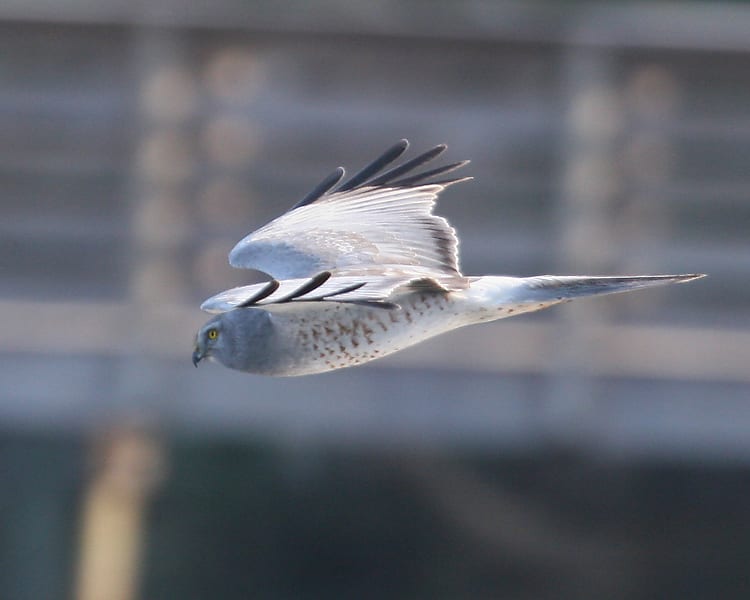
10/21/07  At Hammonasset this morning two reclusive Nelson's Sharp-tailed  Sparrows posed for close-ups, a shy American Bittern briefly ventured out of its reedy hiding place, and a male Northern Harrier "Gray Ghost" patrolled the marshes.


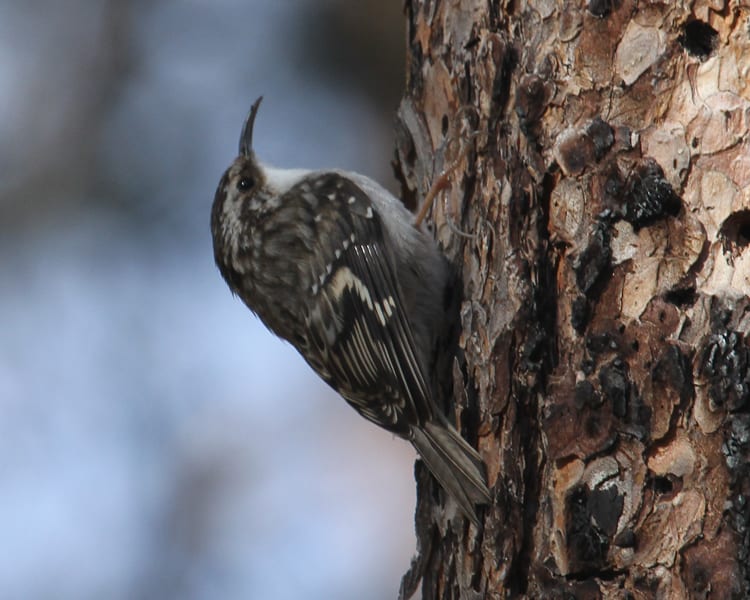
10/15-16/07   Many autumn sparrows and both Kinglets have returned  to Hammonasset, where the woodland edges are currently teeming with birds. Many new photos including Brown Creeper and the secretive Nelson's Sharp-tailed Sparrow.


Month of September, 2007

9/20/07  At Hammonasset, a few laboriously obtained photos of the secretive little Marsh Wren, a species usually easier heard than seen.


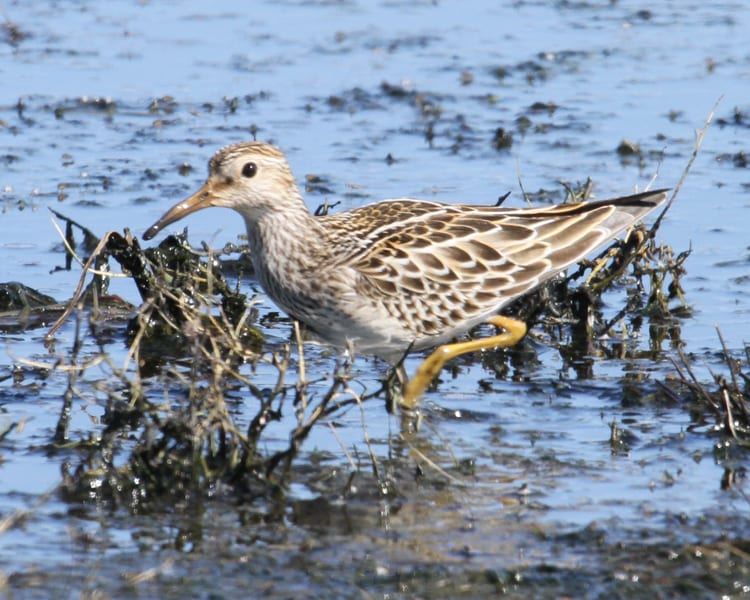
9/12/07  Rocky Hill Meadows, Rocky Hill, CT.  Five migrating Baird's Sandpipers along with three pectoral sandpipers.


9/10/07   Sandy Point, West Haven, CT.  Among the myriad  shorebirds and resident gulls, a pair of juvenile Red Knots feeding with a small flock of Sanderlings.


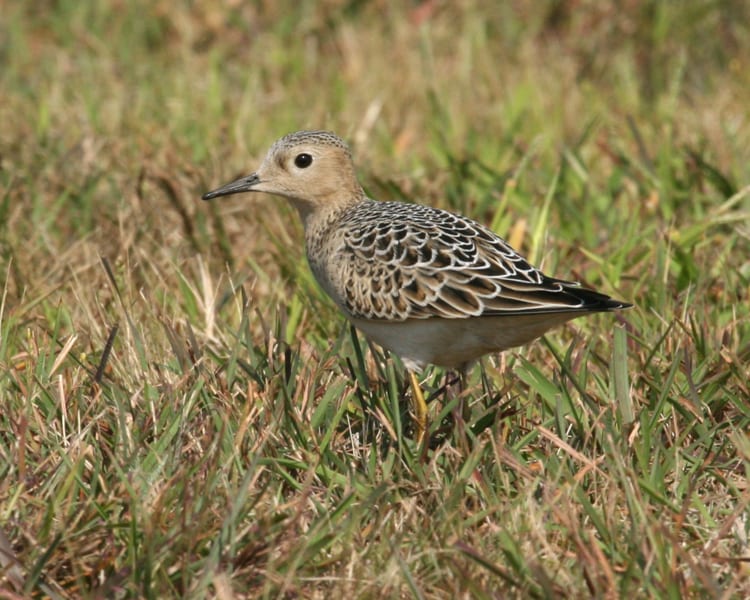
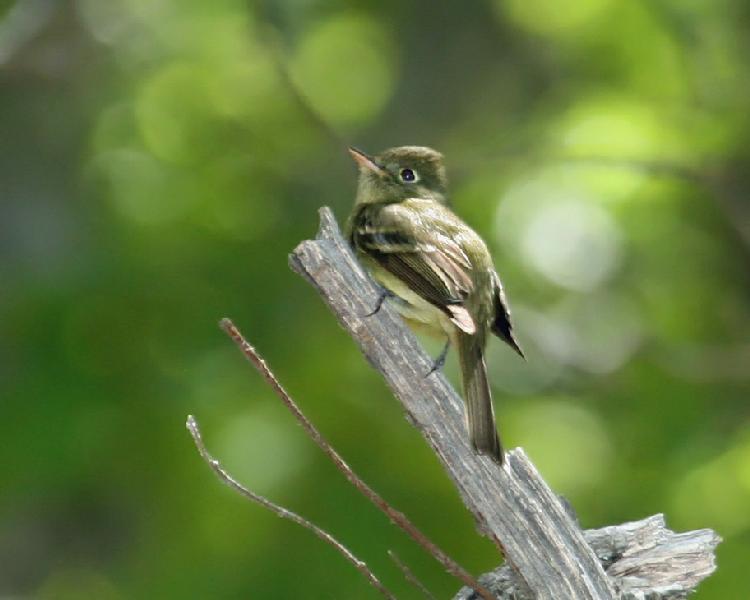
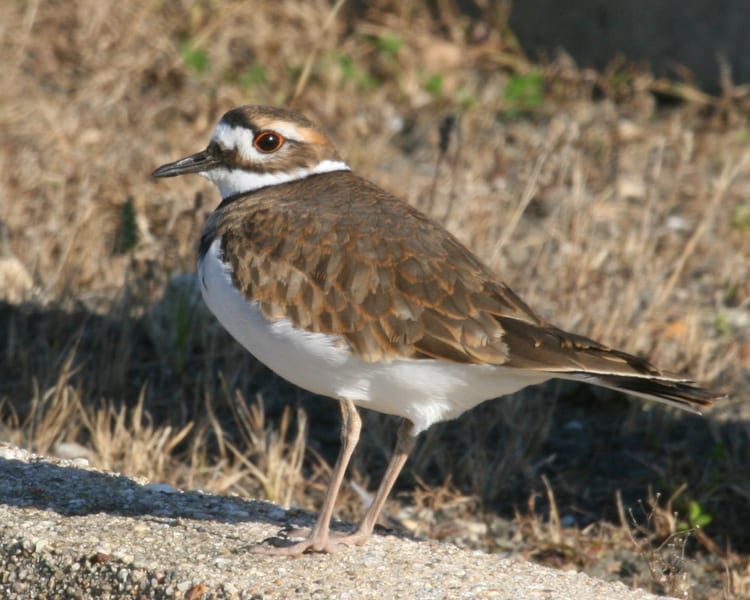
9/3/07  Hammonasset State Park in Madison, CT is an excellent place for both spring and fall migrants.  Today featured, among other species, a Buff-breasted Sandpiper keeping company with a pair of killdeer, several Red-breasted Nuthatches, and a Yellow-bellied Flycatcher.


Month of August 2007

8/12/07   Reunion (Galápagos tour group) boating outing to Faulkner's Island (Long Island Sound), Guilford, CT. This small island is one of the few places in New England to view numbers of the uncommon Roseate tern, as well as many hundreds of Forster's and Common terns.


8/11/07   Galápagos (non-specialty species), Birds of Ecuador (tanagers), and Birds of Ecuador (miscellaneous) now available.

8/10/07   Birds of Ecuador (hummingbirds) now available.

8/8/07   Birds of the Galápagos, featuring most of the archipelago's
unique and specialty species, is now available.   Pages to follow will include some of Galápagos less proprietary species as well as some of the colorful birds of mainland Ecuador, including hummingbirds and tanagers.


Month of July, 2007

7/28/07 The eight-hour layover in Miami on the way back to Connecticut from Quito, offered a convenient opportunity to drive the sixty miles to Key Largo to look for a black-whiskered vireo and a mangrove cuckoo.  I had allowed three hours for the Dagny Johnson Park in Key Largo, but it began to pour the moment I arrived and by the time the rain stopped only an hour remained.  The vireo, it turned out, was not hard to find, but there was not enough time to look for the cuckoo this time around.


7/15/07 through 7/28/07  I travelled to Ecuador with Sunrise Birding. We spent two nights in the Quito area, then nine nights in the Galápagos (seven of these on a boat moving from island to island), and finally another two nights back in the Quito area. A section on this site devoted to Ecuador and the Galápagos is currently under construction to be completed in the next two or three weeks.

Month of June, 2007

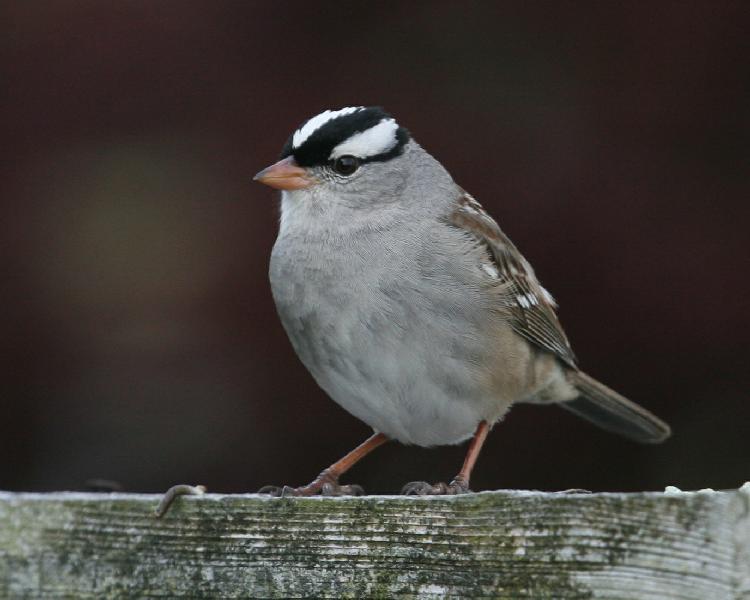
6/29/07  VIDEO of the white-crowned sparrow which is still here every day (please allow up to 45 sec to download) .

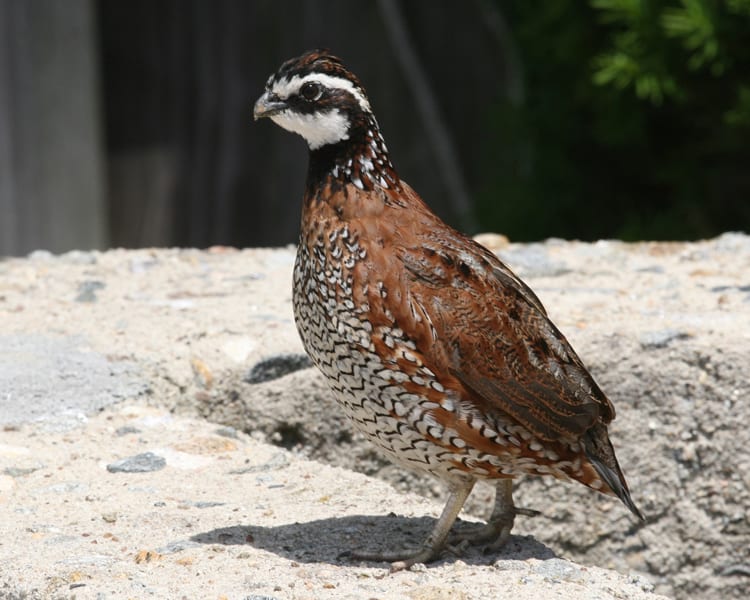
6/24/07  Today we had the second unusual species in our Westbrook, CT yard during the past week, a male northern bobwhite. Earlier in the week we had a white-crowned sparrow. Neither has been noted in this beachfront neighborhood before, and discussion has elicited that the white-crowned sparrow has never before been documented in the state of Connecticut between the months of June and August.   The secretive northern bobwhite is normally found in brushy woods or fields, and even then is more often heard than seen. Not only was it surprising to find it in such an exposed setting, amidst human development, but this particular individual approached to within three feet of me as I was photographing it. This tame behavior, together with the fact that the species has not been seen in the wild in Connecticut for many years, suggests that most likely this bird is an escapee.

6/5/07    TEST YOURSELF page 22 added.

Month of May, 2007

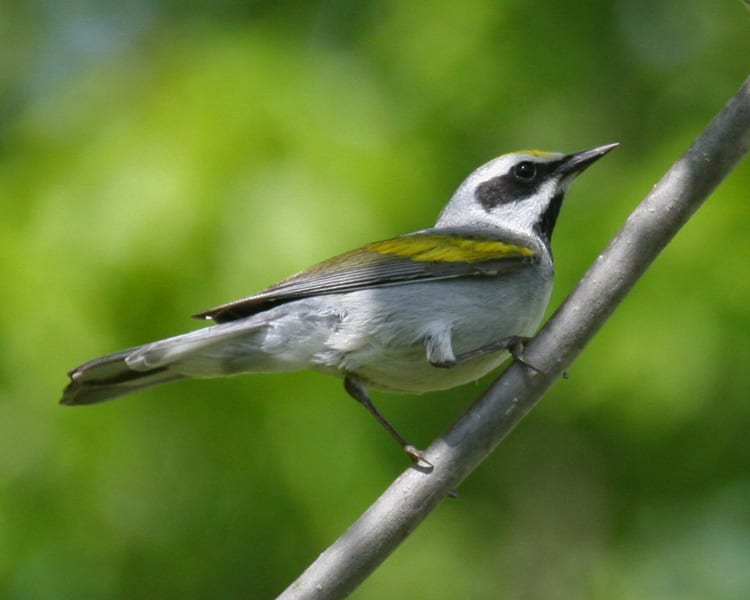
5/28/07  Visited Naugatuck, CT to follow-up a lead on a singing, on-territory, golden-winged warbler, which could not be located on this particular day. The spot was however excellent for blue-winged, chestnut-sided (many), hooded, prairie, and worm-eating warblers, as well as ovenbird (many), wood thrush, and indigo buntings. TEST YOURSELF page 21 added.

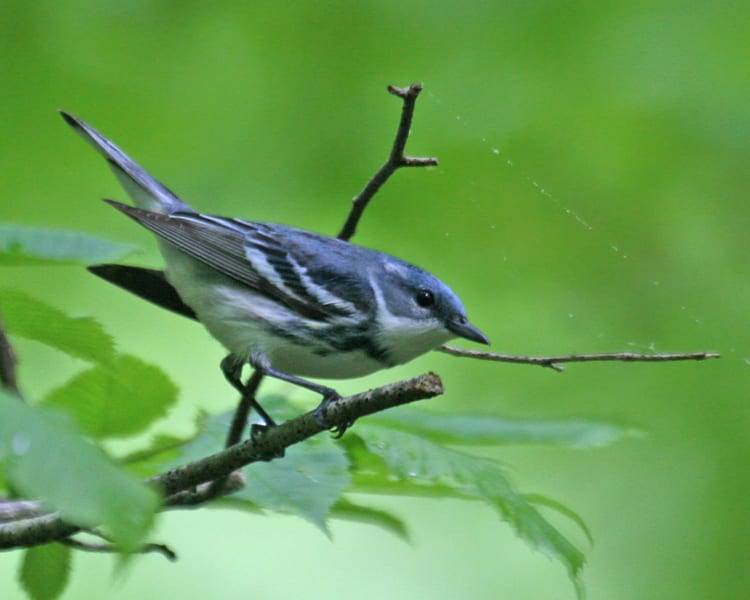
5/26/07  Finally, cerulean warbler at Hartman Park, Lyme, CT. This species is more often heard than seen as it rarely ventures down from its lofty nesting location high up in the canopy.


5/25/07  Hammonasset State Park in Madison CT always has its share of good birds, and this week has had a stilt sandpiper in the pond at Meig's Point. The viewing platform at the end of the Cedar Island trail is excellent for both seaside sparrow and saltmarsh sharp-tailed sparrow.


5/16/07 - 5/22/07 was a week "snowbirding" it back from home in Florida to home in Connecticut, with several good birding spots this year along the route. First stop was in Beidler National Forest in Harleyville, SC to look especially for Swainson's warbler which nests here.  This cypress/tupelo "Four Hole" swamp locale here also sports a boardwalk through prime habitat for prothonotary warblers and barred owls. In Simon's Island, GA were many singing yellow-throated warblers, carolina chickadees, and one wayward gray kingbird. Blackwater NWR 10 miles south of Cambridge on Maryland's eastern shore is a fine locale for shorebirds, red-headed woodpeckers, and resident bald eagles. Finally an early morning walk along the entire length of River Road in Kent, CT, a pristine spot on the Appalachian Trail along the bank of the Housatonic River, and a favored place for both transient springtime migrants and known nesting species such as cerulean warbler. The ceruleans were missed this particular morning, but there were especially good photo ops for veery, wood thrush, worm-eating warbler, and Louisiana waterthrush, all of which were singing prominently. Three common mergansers, a male and two females, were present.


5/10/07  A visit to Bill Baggs State Park in Key Biscayne.  Migrating Connecticut warblers have been reported here, but I could not find them today.  Eleven other warbler species, and good photos of bobolinks.


5/8/07  A visit to Coral Gables - Fairchild Gardens (Dale Chihouli exhibit) and Matheson Hammock (looked unsuccessfully for black-whiskered vireo, but found hill myna).  Also new photos of red-whiskered bulbul in Kendall.


4/28/07 - 5/6/07  Spent a week in west Texas, including the Davis Mountains and Big Bend National Park. The trip, which yielded 36 new species, began and ended in El Paso and traversed a loop encompassing Fort Davis and the Davis Mountains, Alpine, Marathon, the various venues of Big Bend National Park, and Marfa. Reference is made only to birds of note.

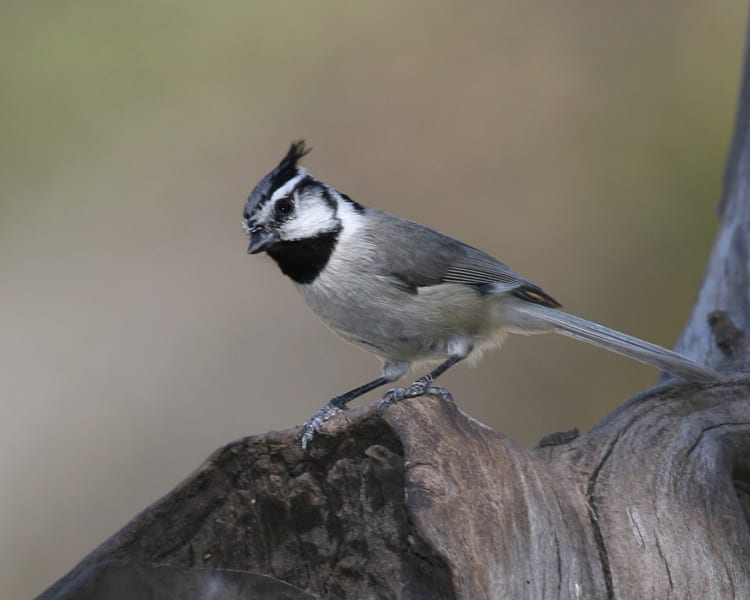
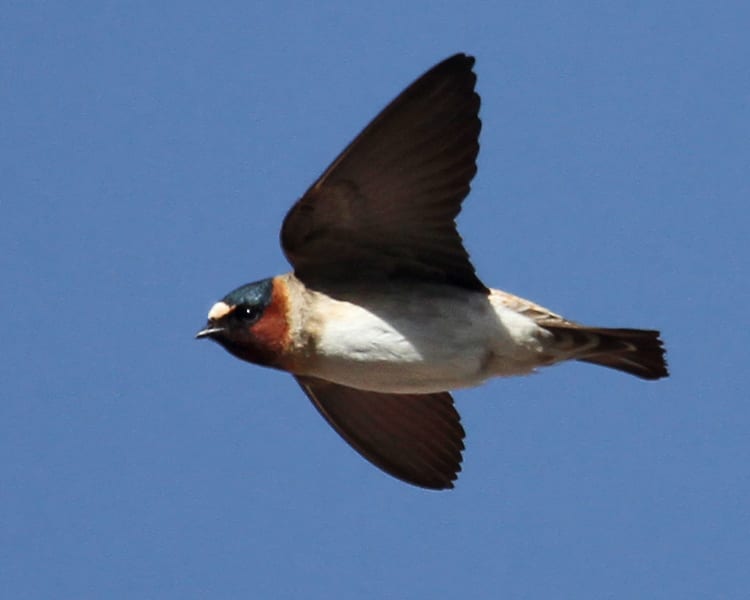
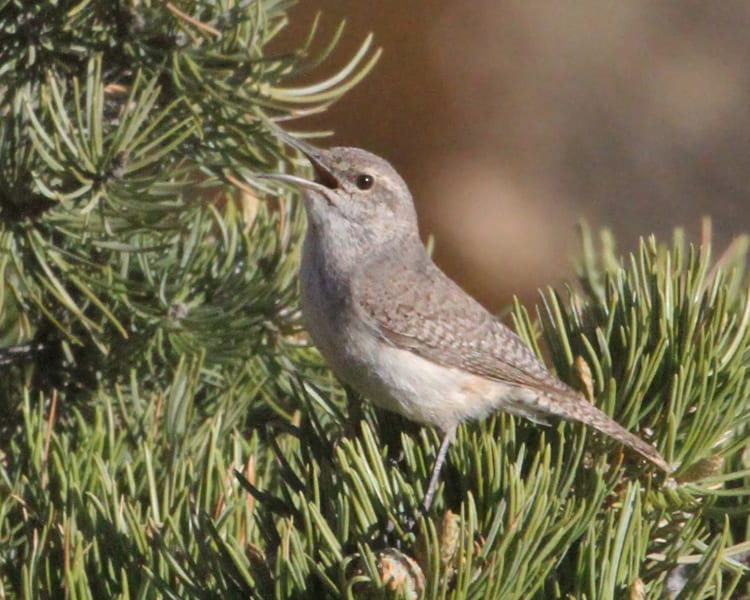
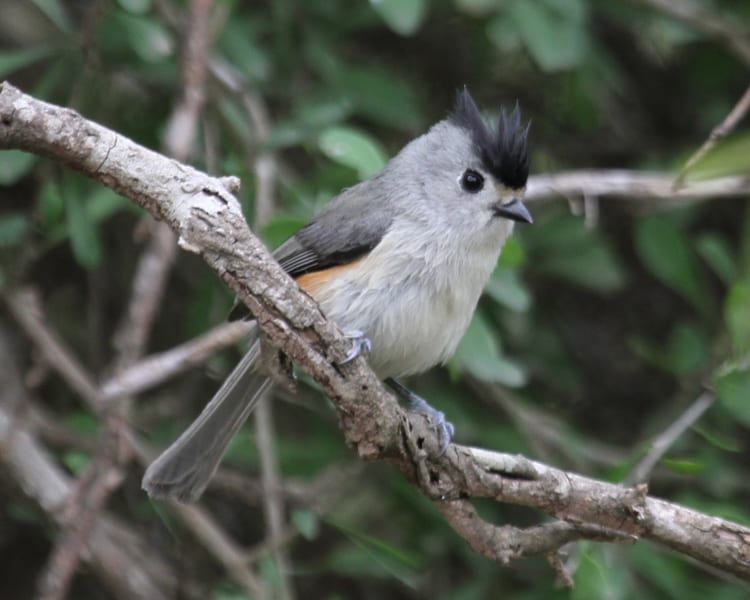
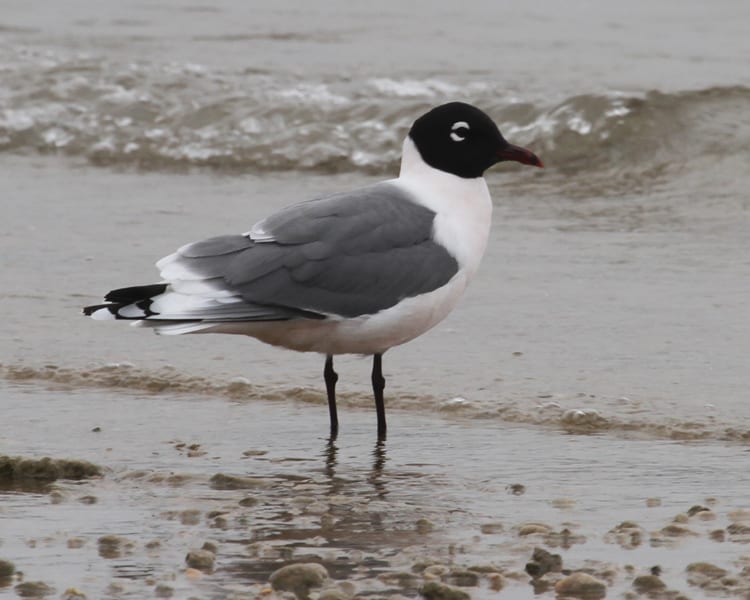
On 4/29 the area from El Paso to Balmorhea State Park produced Harris's hawk, Clark's grebe, Cassin's kingbird, Franklin's gull, vermilion flycatcher, and the Mexican race of cliff swallow. On 4/30 Fort Davis and the Davis Mountains Preserve found ash-throated Flycatcher, plumbeous vireo, gray flycatcher, black-crested titmouse, and the uncommon buff-breasted flycatcher. Several broad-tailed hummingbird nests were observed. A single zone-tailed hawk was well-seen among one group of the ubiquitous soaring turkey vultures. Rock wren and canyon towhee were at the Fort Davis museum.

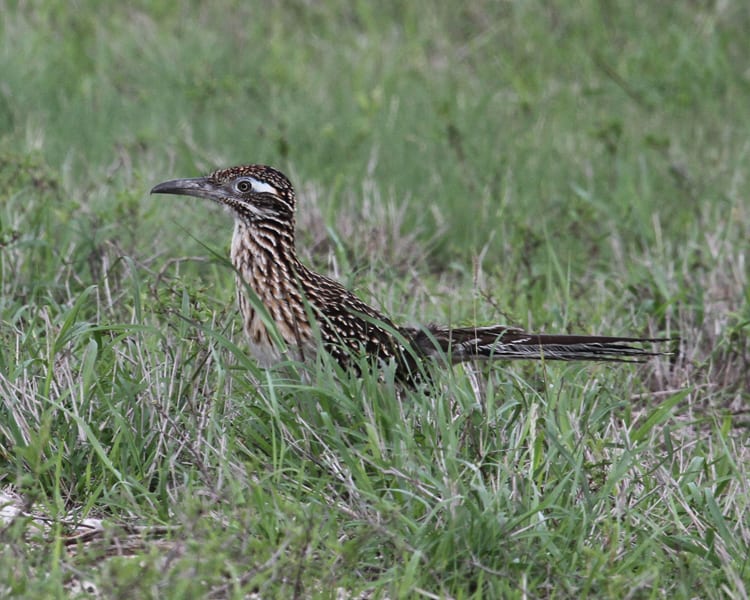
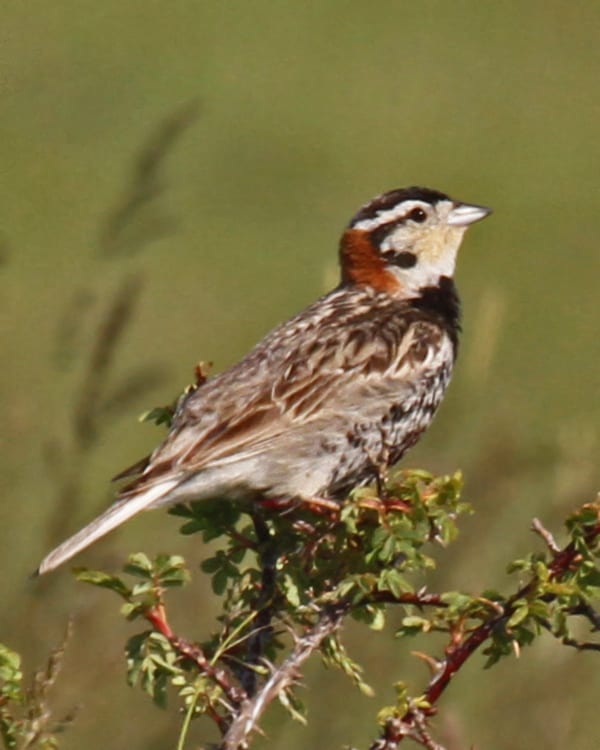
On 5/1 in and around Fort Davis State Park we found rufous-crowned sparrow, MacGillivray's warbler, pyrrhuloxia, and common blackhawk, but the resident Montezuma quail were no-shows on this particular day. In the environs of Marathon were Greater Roadrunner, Lark Bunting, Scissortail flycatcher, and Cassin's Sparrow.

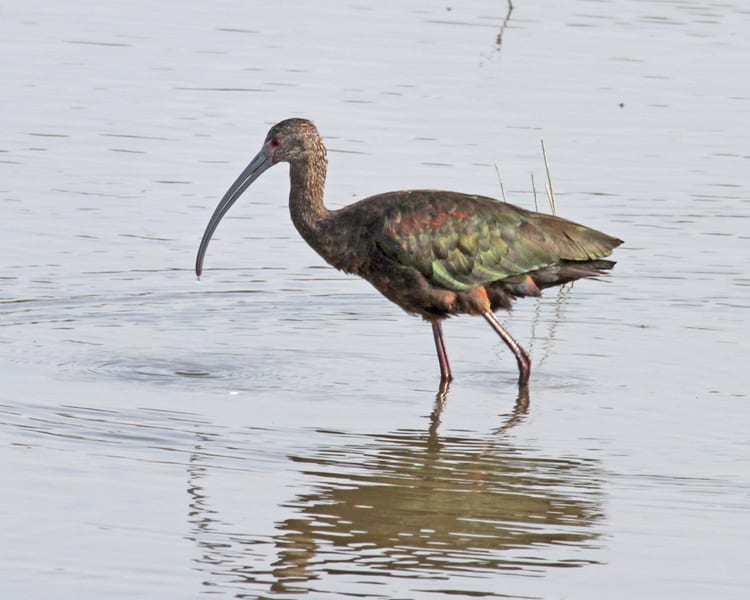
The first day in Big Bend saw golden-fronted woodpecker and vermilion flycatcher at Rio Grande Village, white -faced ibis, Bell's vireo, and yellow-breasted chat along the nature trail, canyon wren, verdin, and hooded oriole at Hot Springs, and Scott's oriole along the window trail near the basin lodge.

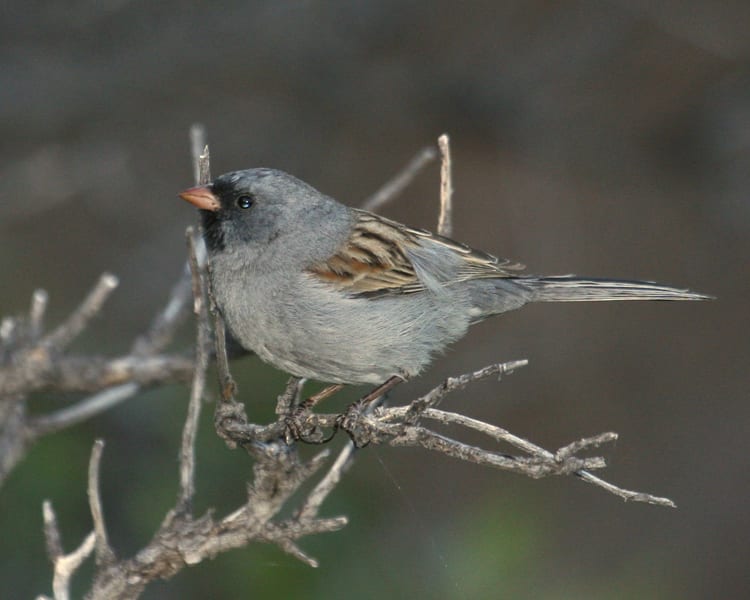
On 5/3, we made the grueling 9 1/2 mile hike up the Pinnacle Trail to Boot Springs in quest of the colima warbler, which nests nowhere else in the United States. The lovely black-chinned sparrow is found near the beginning of the trail before it begins its steep ascent.  We found colima warblers at three different locations, all above 6000 feet. Other species here included numerous Bewick's wrens, Hutton's vireo, painted redstart, hepatic tanager, bushtit, Hammond's and Cordilleran flycatchers, and canyon wren. We also had a close encounter with a coiled rattlesnake at the edge of the path on the downward leg of the hike, about a mile from the trailhead.

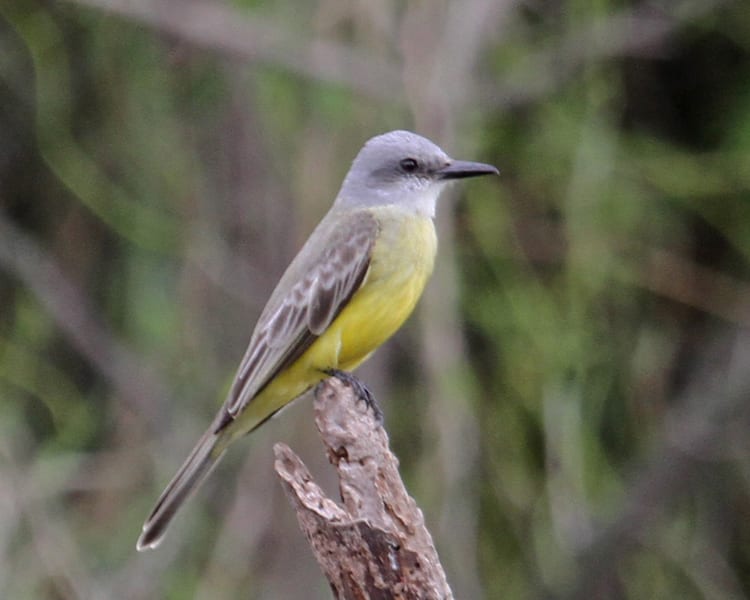
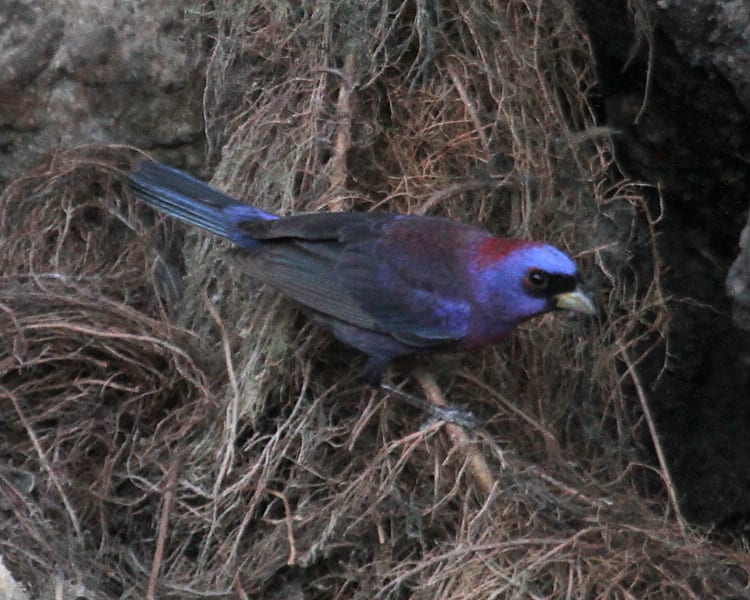
On 5/4 we visted Oak Creek (varied bunting, scaled quail, and olive-sided flycatcher), Sam Nail Ranch (painted buntings and yellow-breasted chats), Cottonwood Campground (tropical kingbird and brown-crested flycatcher), and Santa Elena Canyon - where the temperature was 105 in the shade.

On the return jaunt to El Paso,the trip was rounded out with a male northern harrier in Alpine, and excellent roadside-stop views of scaled quail and Chihuahuan ravens near Marfa.

Several additonal birds seen but unfortunately not photographed were gray vireo, white-throated swift, elf owl, and lesser nighthawk.


Month of April, 2007

4/22/07  New feature PICTURE OF THE MONTH added.  TEST YOURSELF page 20 added.

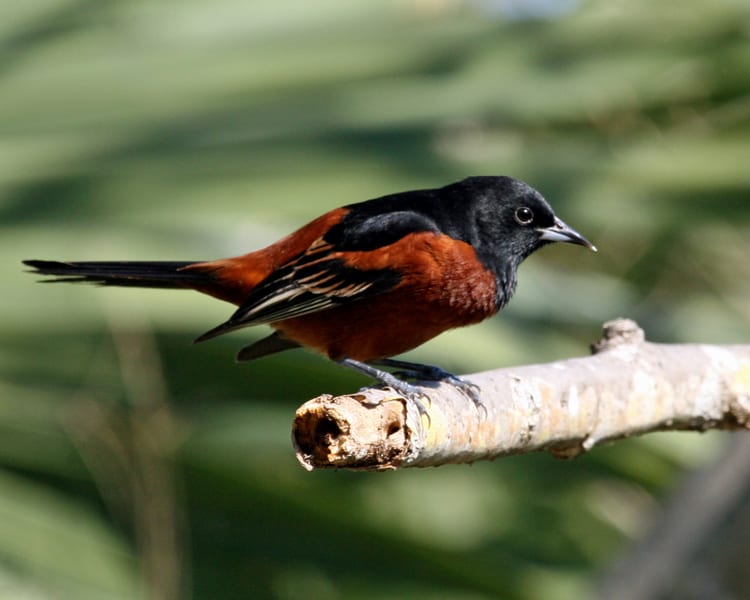
4/19 - 4/21/07  Three days at Fort DeSoto Park, St. Peterburg Beach, FL. This is a major birding "hot spot" each spring where migrants, weary from their flight across the Gulf of Mexico, first stop to rest. Seventeen warbler species were counted including hooded (several), Tennessee (several), Kentucky (8 -10), worm-eating (3), blue-winged, black-throated green, blackpoll, magnolia, chestnut-sided (3), black & white, ovenbird (3), American redstart, pine, palm (numerous), prairie, common yellowthroat (numerous), and northern waterthrush (2). Interestingly, not a single yellow-rumped warbler was counted after they were ubiquitous in south Florida in the tens, if not hundreds, of thousands during the entire winter. There were numerous white-eyed vireos, one red-eyed vireo, and two yellow-throated vireos. Flycatchers included great crested flycatcher, Acadian flycatcher, and eastern wood-pewee. Indigo buntings were everywhere, including a flock of perhaps forty or more feeding on the ground near the beach. The famous mulberry tree had its usual array of colorful Baltimore and orchard orioles, summer and scarlet tanagers, and both rose-breasted and blue grosbeaks. Wood thrush and Swainson's thrush rounded out the migrant passerines.

Shorebirds did not appear to be as varied or copious as last year, but there were whimbrel, least sandpiper, willet, dunlin, sanderling, Wilson's and semipalmated plovers, black skimmer, black-crowned night heron, and reddish egret, in additon to all the other common regular resident egrets and herons. Piping plovers, noted last year, were not seen. Three late-remaining red-breasted mergansers, all female, were present. A pair of American white pelicans were off one of the turnouts on the Bayway, and two roseate spoonbills were in the pond at the turnoff to the park at the route 682 junction. On the drive west across Alligator Alley a swallow-tailed kite flew over the road in front of the car, and on the way back on route 80 south of Lake Okeechobee we counted four crested caracaras and a mature bald eagle.

The trip produced four new species for this website - northern waterthrush, yellow-throated vireo, Acadian flycatcher, and Swainson's thrush.


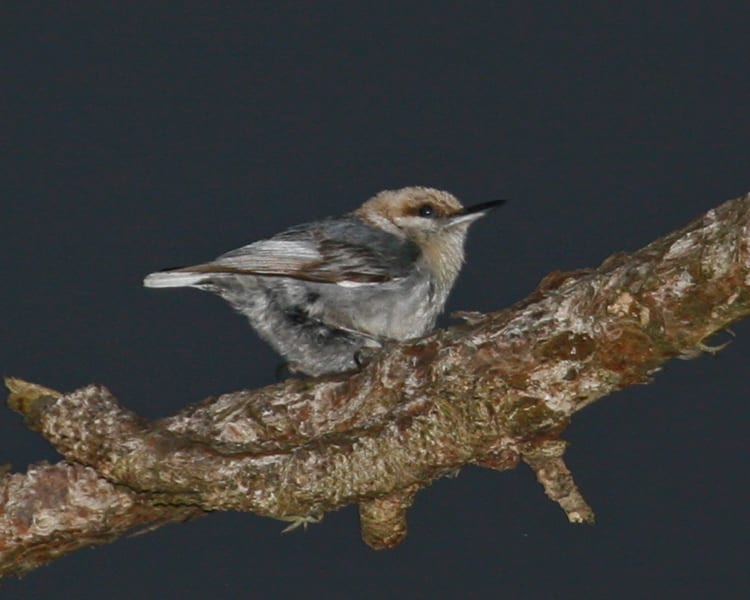
4/13/07  This morning Terry Baltimore and I left Boca Raton at 4:00 AM in order to reach Three Lakes Wildlife Management Area near Lake Kissimmee at first light to look for the endangered red-cockaded woodpecker. Terry has over 50 years of birding experience and this woodpecker is the only Florida resident species he had not previously recorded. My other two target birds for the day were Bachman's sparrow and brown-headed nuthatch, since all three species favor the same mature open pine woods habitat found at Three Lakes. As it turned out, the nuthatch was the very first bird seen, numerous male Bachman's sparrows were singing up a storm, and we found five or six of the red-cockaded woodpeckers almost right away as they were calling and flitting about from tree to tree within their territory.

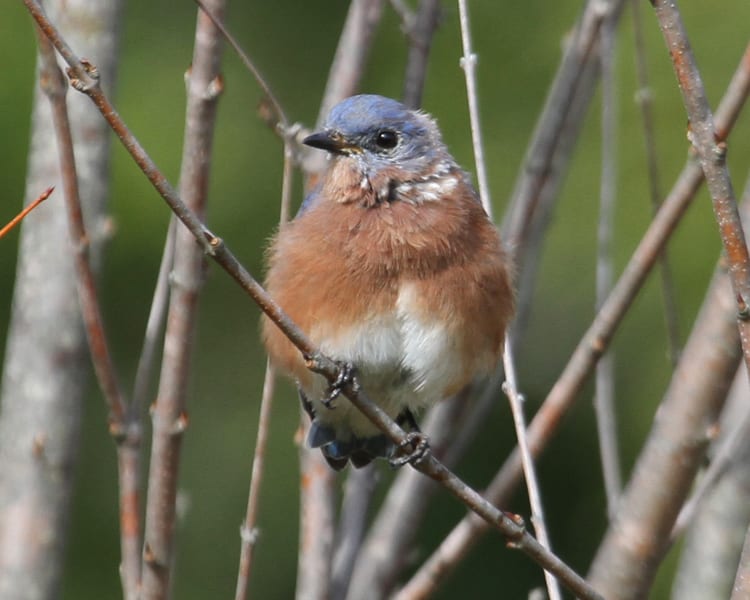
Next we visited Joe Overstreet Landing on the shore of Lake Kissimmee. This spot is always teeming with many species of waterfowl, shore birds, raptors, cranes, pelicans, and songbirds. Today the mosquitoes were swarming in such density that it was not possible to get out of the car! Nonetheless, we counted five bald eagles and two American white pelicans in addition to all the other usual denizens. There were numerous sandhill cranes, but alas no whooping crane today. Other especially good close-up photo-ops for the morning included wild turkey, eastern kingbird, eastern bluebird, eastern meadowlark, and great crested flycatcher. Lunchtime was spent back at Three Lakes WMA in a grove of mature old oak trees festooned with Spanish moss, precisely the favored nesting habitat for northern parulas, two pairs of which kept us company during lunch, the males singing their loud buzzy song continously while a white-eyed Florida eastern towhee and a white-eyed vireo joined in.

Along Canoe Creek Road on the way back to Route 441 and the Turnpike, two minutes after leaving the campground at Three Lakes WMA, we got a spectacular close roadside view of a swallow-tailed kite hunting low to the ground over an open prairie area. Unfortunately by the time we were able to pull over to stop and grab our cameras, the kite was already some two hundred yards away. We were back home by 4:30 PM. Not a bad way to have spent Friday the 13th.


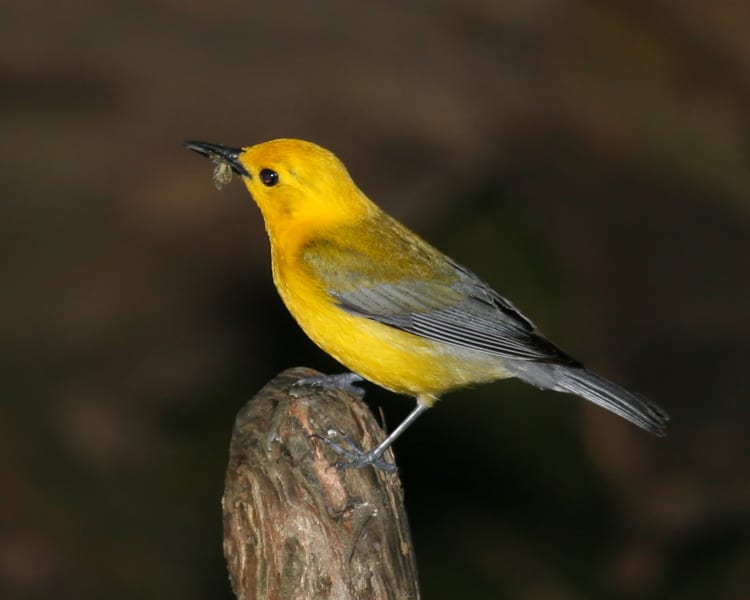
4/8/07  The spring migrants are just beginning to appear here in Palm Beach County.  This morning at Spanish River Park in Boca Raton was an American redstart, countless prairie warblers, great crested flycatcher, and a prothonotary warbler in brilliant breeding plumage.


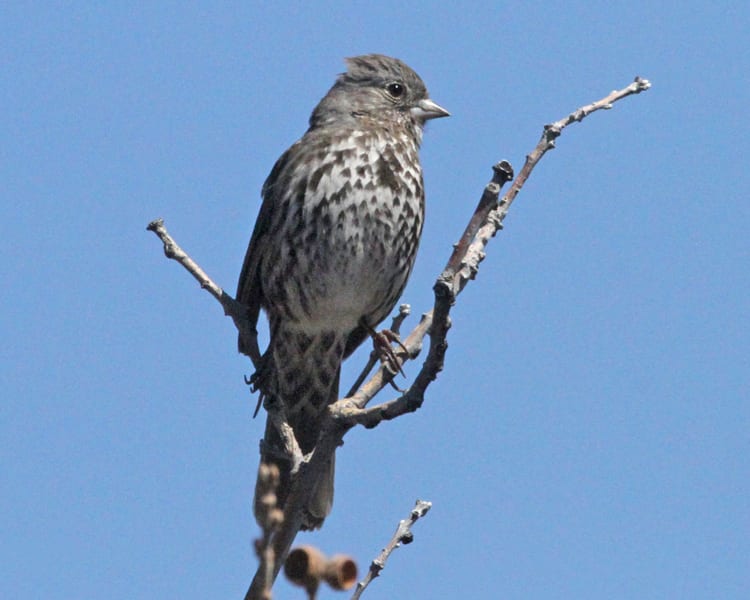
Month of March, 2007

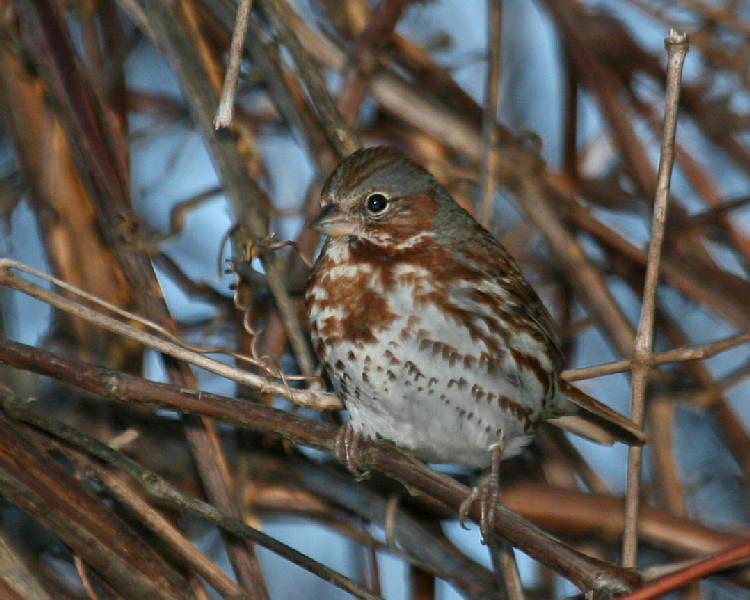
3/30/07   A six-day family visit to Connecticut offered the opportunity to seek out two  species that have both been seen in numbers in the state during March, and are rarely seen at other times of the year.  Both the beautiful fox sparrow and the quaint but endearing American woodcock, as well as eastern bluebirds, were readily found at the Stuart McKinney NWR in Westbrook, CT.  Male woodcocks were observed performing their unique mate-seeking aerial displays at dusk.  In addition, Gina Nichol of Sunrise Birding found a pectoral sandpiper at Hammonasset State Park in Madison, and the bird was exactly as reported in the marshy pond across from the nature center parking lot. The Westbrook channel had thirteen   red-breasted mergansers and a common loon, and a flock of nine brants was at the end of the Pilots Point sandbar.


3/26/07  Wakodahatchee Wetlands, Delray Beach: A two-page photo essay of a pair of uncharacteristically cooperative least bitterns - usually secretive and hard to spot.


3/22/07  Green Cay Wetlands, Boynton Beach: New close-up photos of painted bunting and  Wilson's snipe.


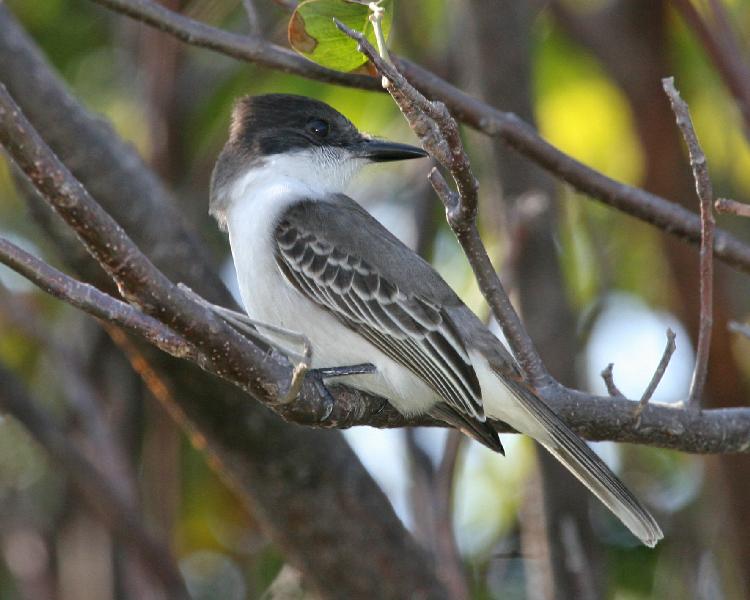
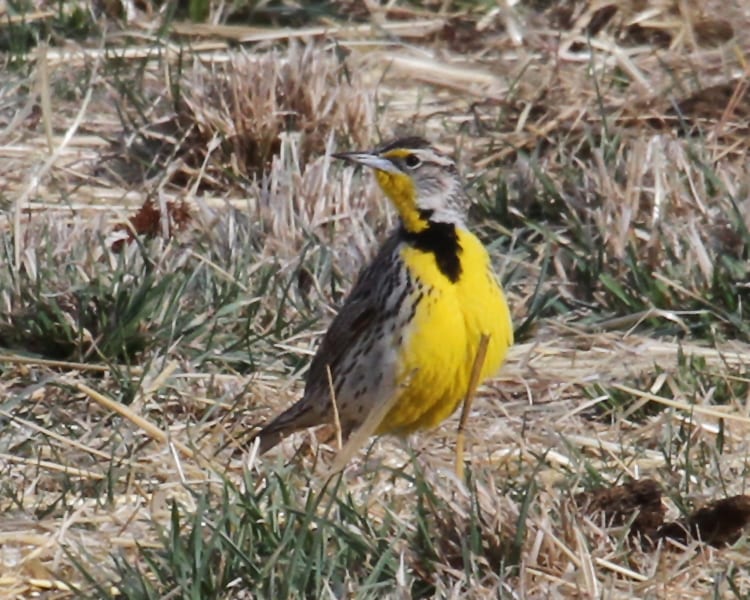
3/11/07  Drove to Key West late yesterday to look this morning for the rare loggerhead kingbird, which was first reported on March 7 at Fort Zachary Taylor State Park. The bird  was calling and not difficult to locate, and everyone there, many of whom had traveled hundreds of miles, was well-rewarded. This species is native to Cuba, Hispaniola, Puerto Rico, Jamaica, the Cayman Islands, and other Caribbean locales, and this is the first completely documented occurrence in the United States. Other notable species seen were an early migrant black-whiskered vireo (no photos), and an overhead juvenile light morph short-tailed hawk. I looked for the scissor-tailed flycatchers both along Government Road in Key West, and in the area in and around the winery in Homestead, but could not find them today in either locale. The fence opposite the winery did sport a beautiful, cooperative, and exuberantly singing eastern
meadowlark
.

Month of February, 2007

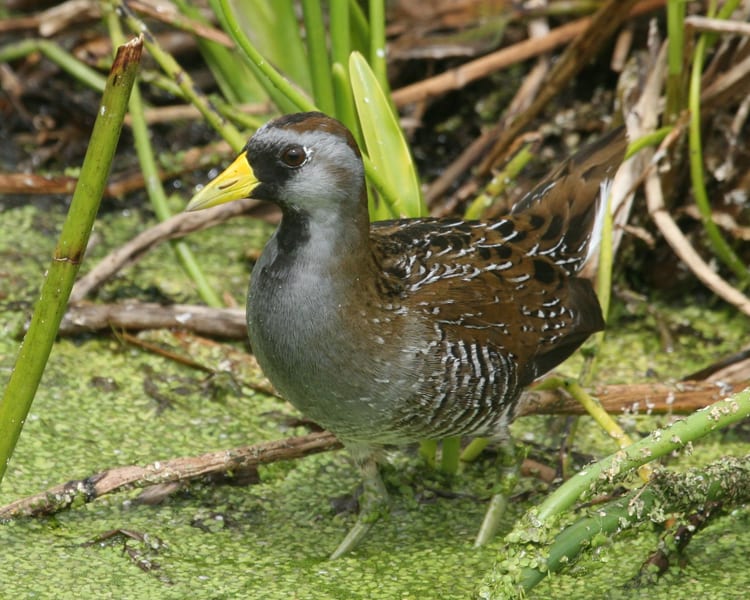
2/22/07  This week, new photos of spot-breasted oriole in North Miami, where Nancy   Freedman has generously welcomed birders to her yard to view this  beautiful resident species. Also new close-up photos of sora,
 blue-headed vireo, white-eyed vireo, prairie warbler,
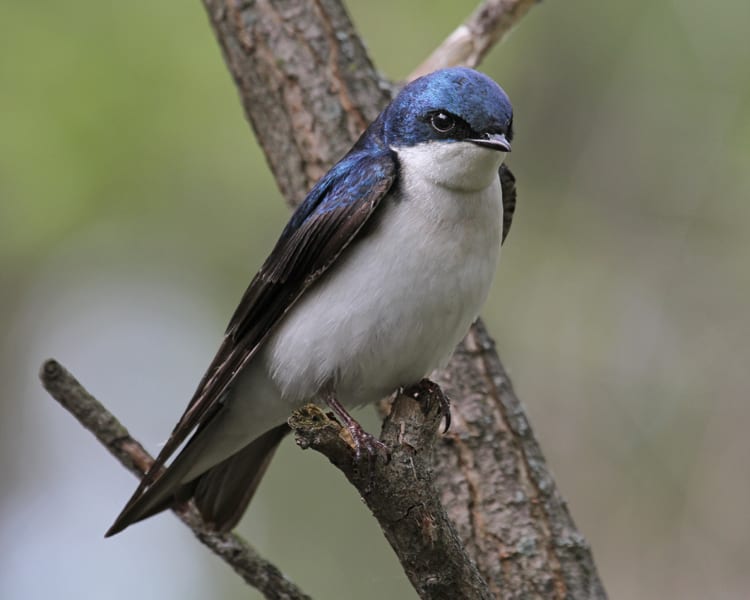
 blue-gray  gnatcatcher, and tree swallow.


2/13/07  This morning started early at Loxahatchee NWR in Boynton Beach, trying to get a life-bird snail kite for a visiting birder from NY state. Fortune shined on us in the form of a beautiful male hunting in one of the rear marsh cells within just a few minutes of arriving at 7:30 AM. The bird put on a nice show.  Perching, flying off and circling, and returning again and again to his same shrubby perch, this kite entertained us for over half an hour.


2/11/07  Finally, success photographing the elusive green-backed western spindalis at Evergreen Cemetery in Fort Lauderdale.  This bird has been seen off and on for about a month since first being reported there. Yesterday it was not seen at all, and had not made an appearance today either until just after 1 PM.  Then it suddenly appeared low down in its favorite Brazilian pepper tree and perched cooperatively for about a minute for everyone present to get a very gratifying view.

Also, TEST YOURSELF page 19 has been added.


2/10/07  After numerous prior fruitless attempts to find the smooth-billed anis along the south perimeter road at Fort Lauderdale Airport, they finally turned up a few blocks further south in a brushy field along Old Griffin Road. These birds are quite tame and pose readily for photos. At least four were present there today.


2/08/07  Okeeheelee Park, Lake Worth, FL.  New photos of painted bunting, brown thrasher and ovenbird.  Also, latest TEST YOURSELF (18) has been added.


2/03/07  The purple swamphens of Pembroke Pines.
                     Short-tailed Hawk over Evergreen Cemetery, Fort Lauderdale.


Month of January, 2007

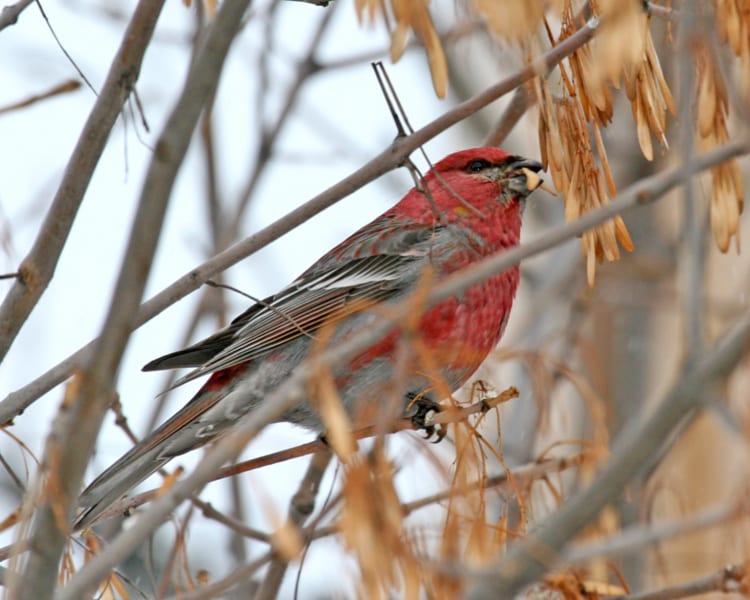
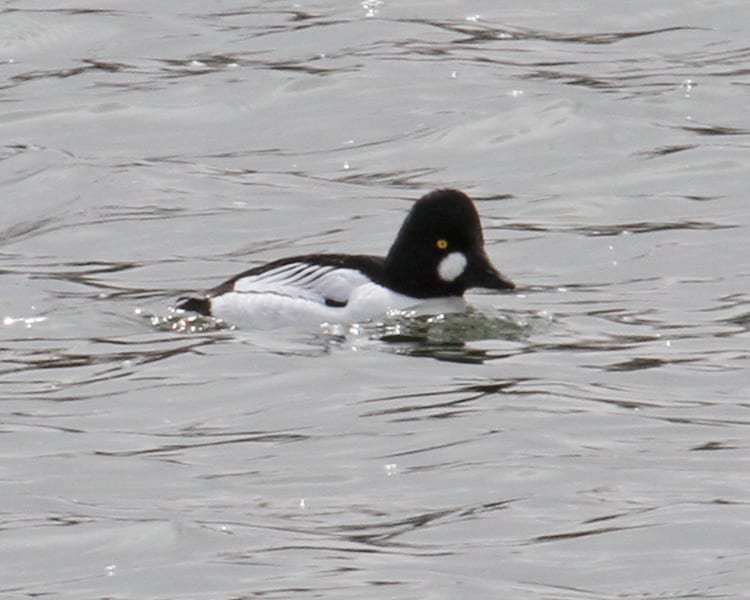
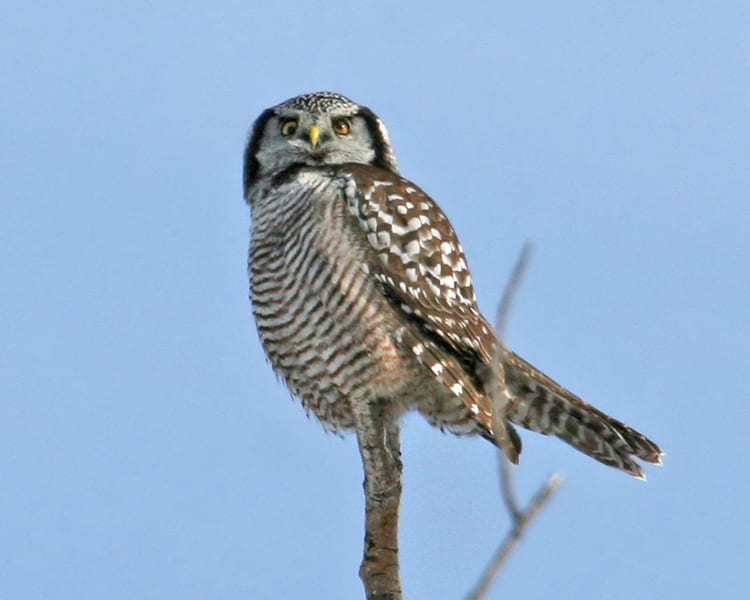
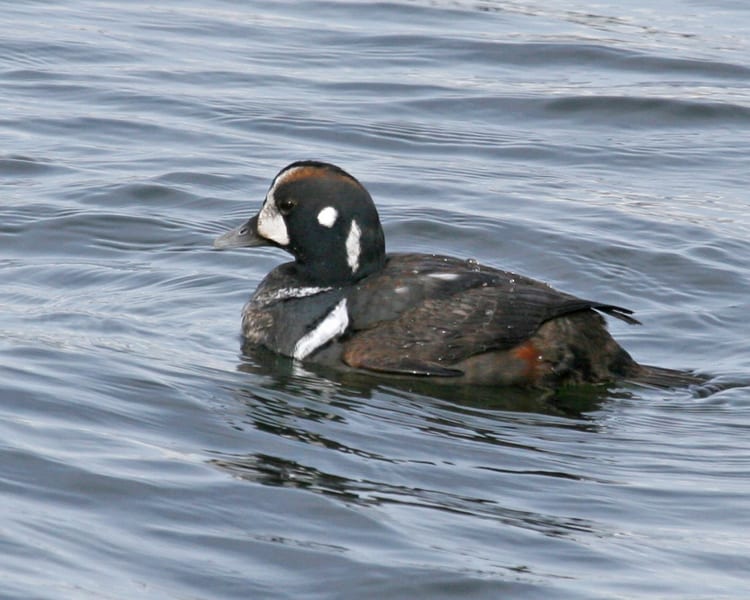
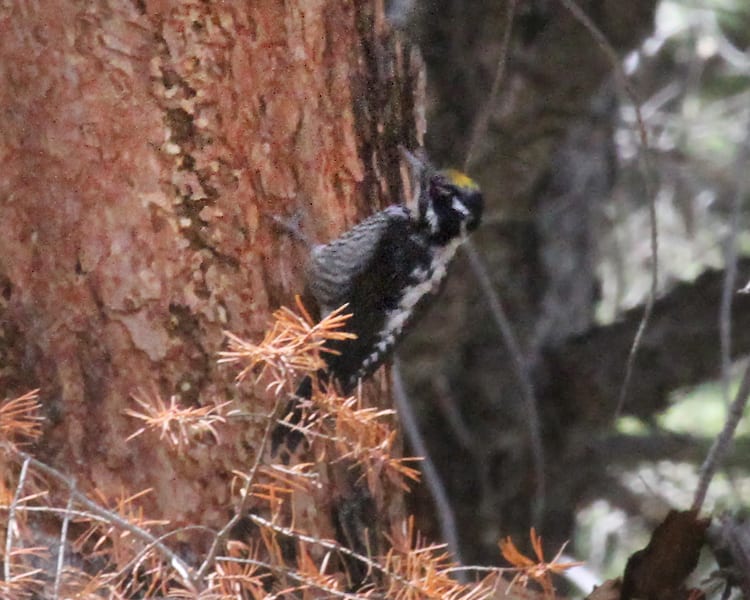
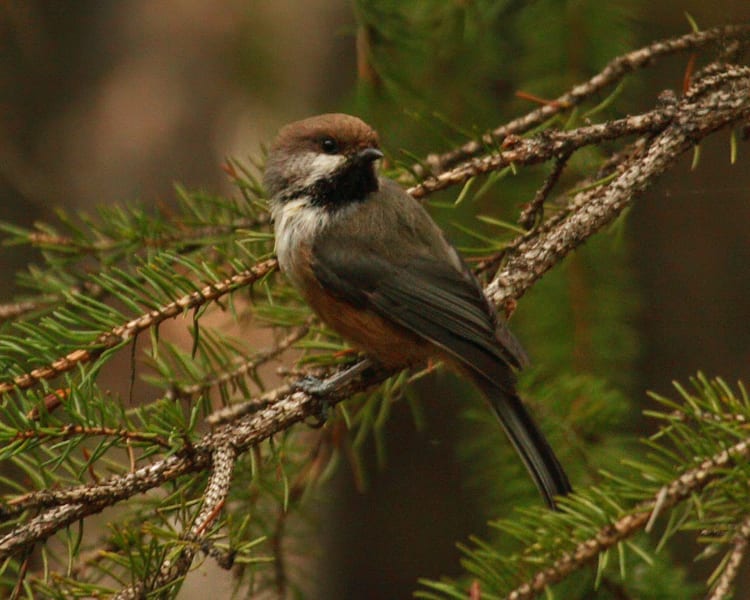
1/28 - 1/29/07   A two-day up and back adventure to Duluth, Minnesota and two days of seeking out local northland specialties with local guru Mike Hendrickson. We started out with a target list of 23 birds, some of them admittedly longshots, and managed to find 13 of these, plus 5 additional that were not on the list. The temperature when we set out at 6:30 Sunday morning was 16 degrees below zero, without the windchill, and the high for the day turned out to be 8 above. Fortunately it was not windy. Along the Hedbom Logging Trail in Floodwood, MN we found three-toed woodpecker, black-backed woodpecker, white-winged crossbill, pine grosbeak, and gray jay. A northern shrike here eluded photographs, as did the lone boreal chickadee amongst a group of garrulous black-capped chickadees in Sax Zim Bog. Alas, the great gray owl was a no-show, however along Highway 4 in Duluth there was a beautiful northern hawk owl perching majestically between hunting forays. In the Duluth harbor area, Canal Park held a flock of common goldeneyes far out, a very cooperative pair of harlequin ducks close in, and a single white-winged scoter that offered a scope view only. The port terminal hosted a snowy owl that apparently was enjoying sole dibs on the large vole population in the harbor/terminal environs.

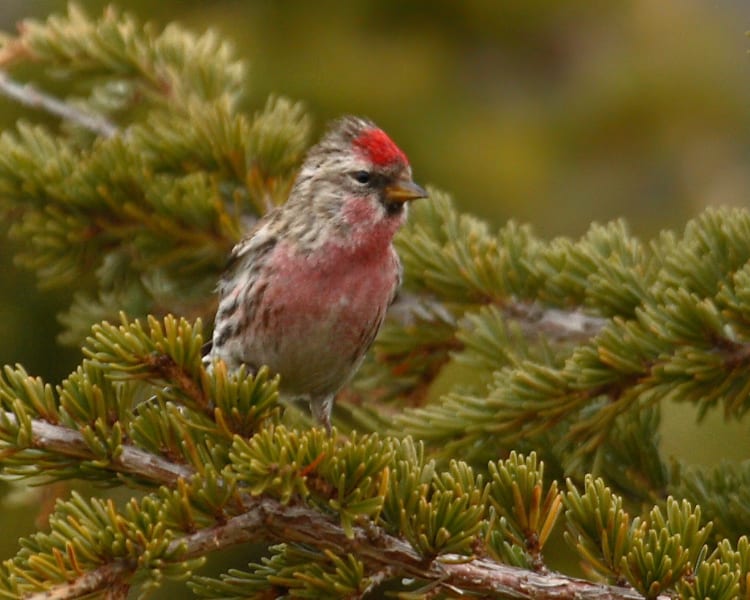
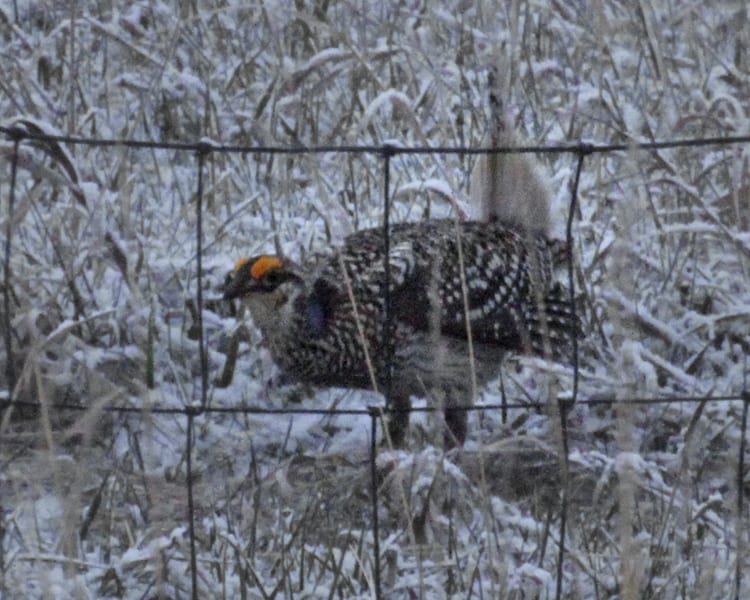
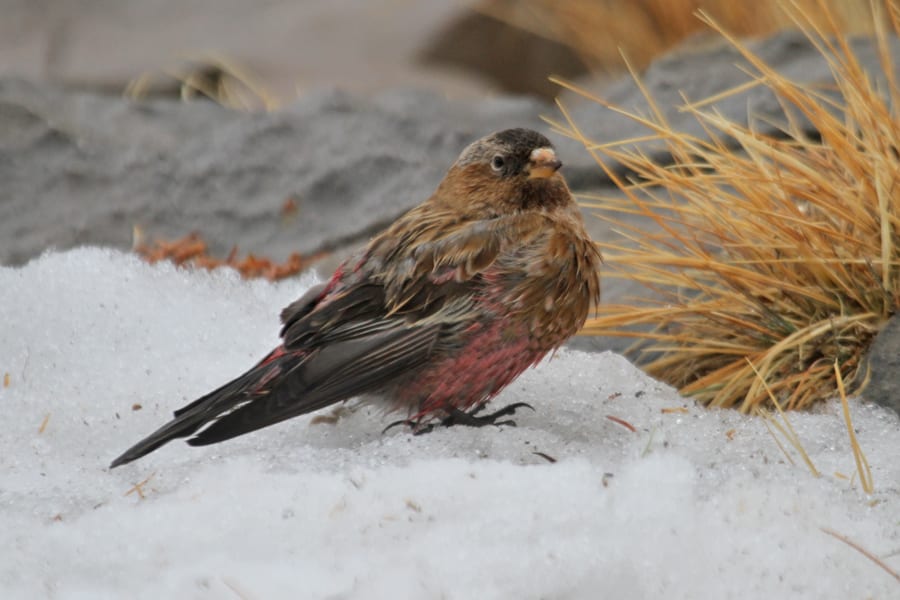
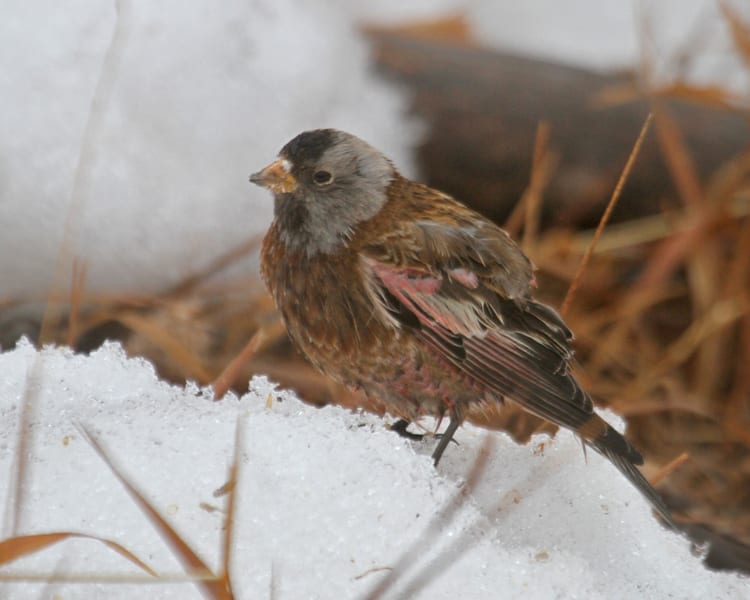
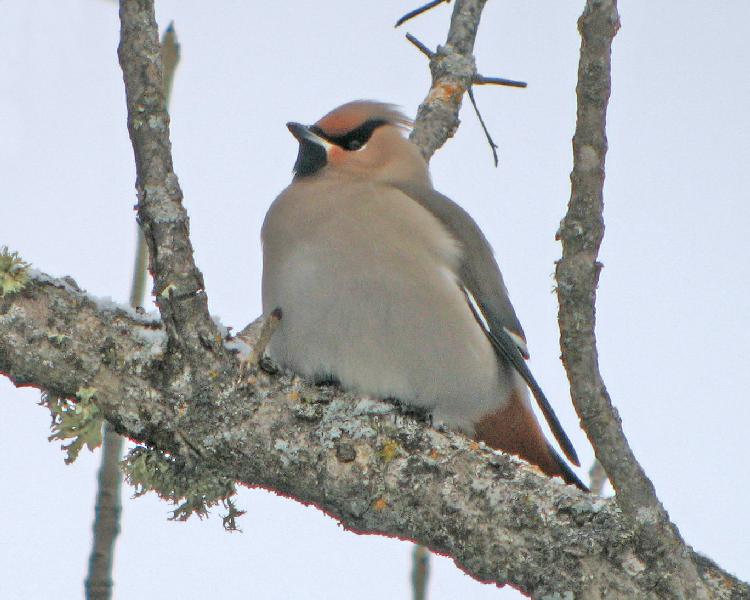
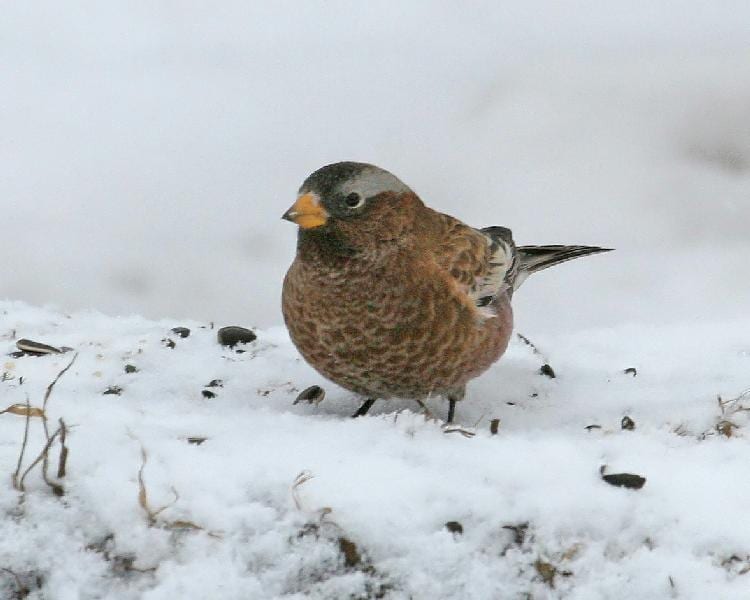
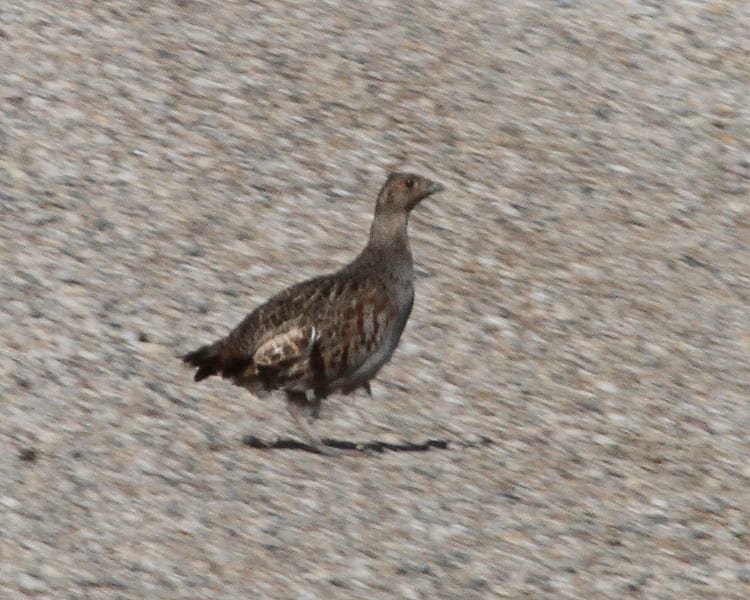
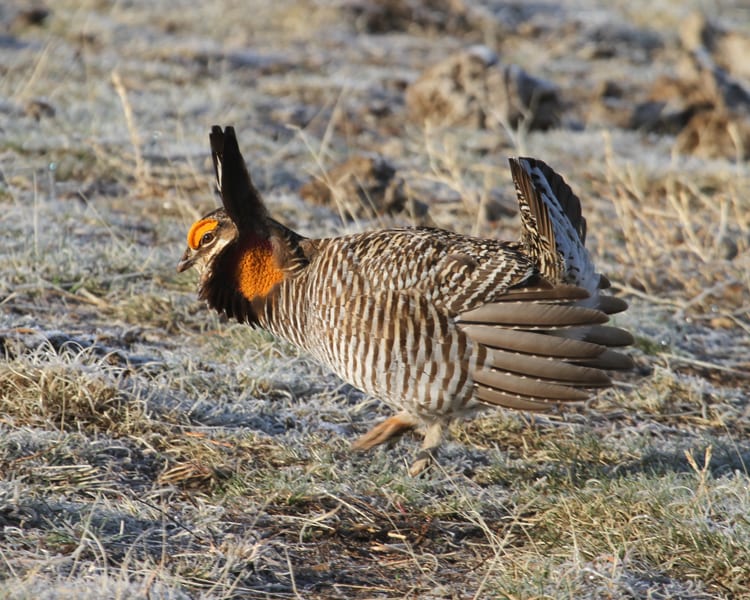
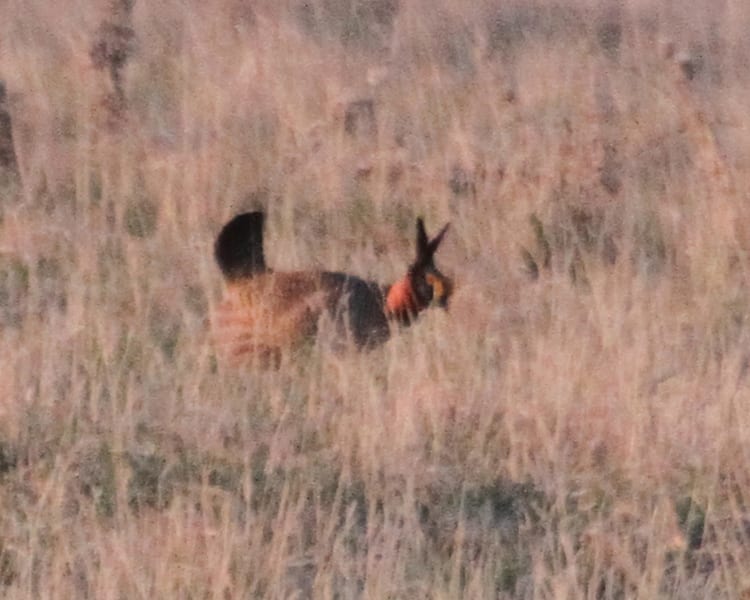
The next morning we set out in light snow flurries and the temperature a balmy 6 degrees above zero. Again along the Hedbom Logging Trail we searched dutifully, but once more unsuccessfully, for the great gray owl, but did happen upon a flock of common redpolls. Along County Road 31 in Tamarack, another northern shrike paused in his hunting and posed briefly on a snag for a timely photo. Still in Tamarack, Mike found the known small group of sharp-tailed grouse, complete with a conspicuously displaying male but seen only from a distance in a field along County Road 16. Next we visited The Fond du Lac Resource Management Department building on County Road 5 in Cloquet where three out-of-locale gray-crowned rosy-finches have been frequenting a feeder all winter, and sure enough the friendly birds came in to the feeder several times during the twenty minutes we spent observing. In the afternoon we headed northeast along the ruggedly beautiful Lake Superior shore to follow up a promising lead of a varied thrush, unusual for the area, reported in her suburban front yard by a woman in Silver Bay. On the way there on West Knife River Road in Two Harbors, we spotted a wary rough-legged hawk hunting along alternate sides of the highway. The hawk would not permit even semi-distant approach, but did sit long enough for a couple of distant pictures. Also in Two Harbors was a flock of gorgeous Bohemian waxwings numbering probably at least 600 birds. Upon our arrival in Silver Bay, the striking male varied thrush was easily spotted right away in a tamarack tree in the very yard where it had been reported, and then a female was also seen in a neighboring tree. This neighborhood was also excellent for groups of cooperative pine grosbeaks - both male and female.


Finally, the trip also produced some "best of species" photos of several reliable old favorites including downy and hairy woodpeckers, red-breasted nuthatch, and pine siskin.


1/21/07  A second visit in two days to Evergreen Cemetery in Fort Lauderdale was not successful in producing the western spindalis that was seen there on 1/19 and again very briefly on 1/20.  A small flock of blue-crowned parakeets however did make a brief appearance.

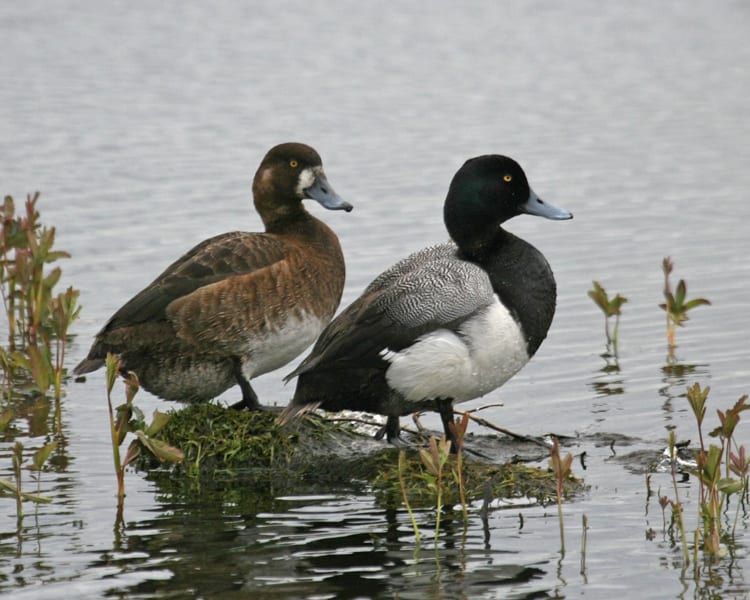
1/18/07  Lesser scaup in Boca Raton.

1/17/07  Burrowing owls in Boynton Beach.

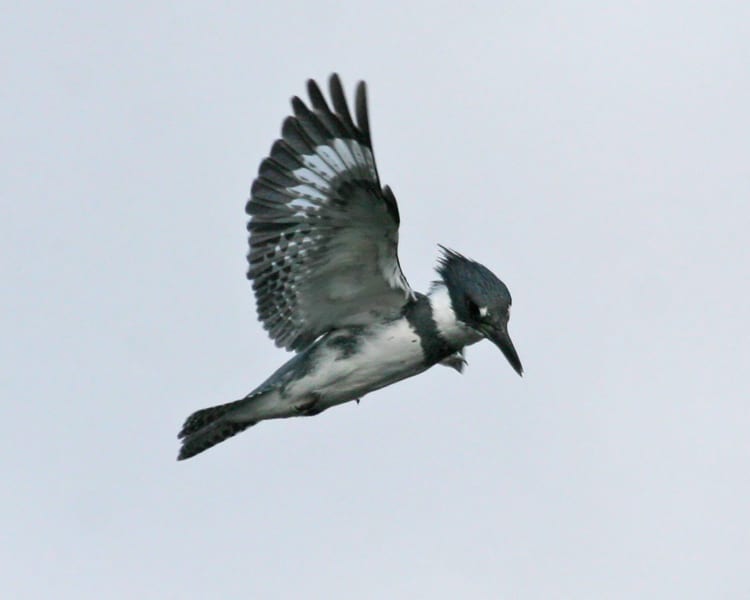
1/11/07  At Wakodahatchee Wetlands, Delray Beach, a photo essay on the unique aerial antics of a male belted kingfisher hovering in between headlong steep dives for fish.


1/2/07  Happy New Year! The distinction of being the first new bird added in 2007 goes to the diminutive and shy Florida grasshopper sparrow.


                                  Month of December

12/30/06  Palm Beach County Christmas Bird Count - our assigned territory was in the West Boynton Beach/Hypoluxo environs. Sadly, each year more of what was prime virgin habitat the year before is now new gated communities. We did count a somewhat disappointing eighty species, although they included a solitary sandpiper and a small fallout of warblers including a beautiful and cooperative yellow-throated warbler. Also new good photographs of gadwall, burrowing owl, Cooper's hawk, lesser scaup, and others.


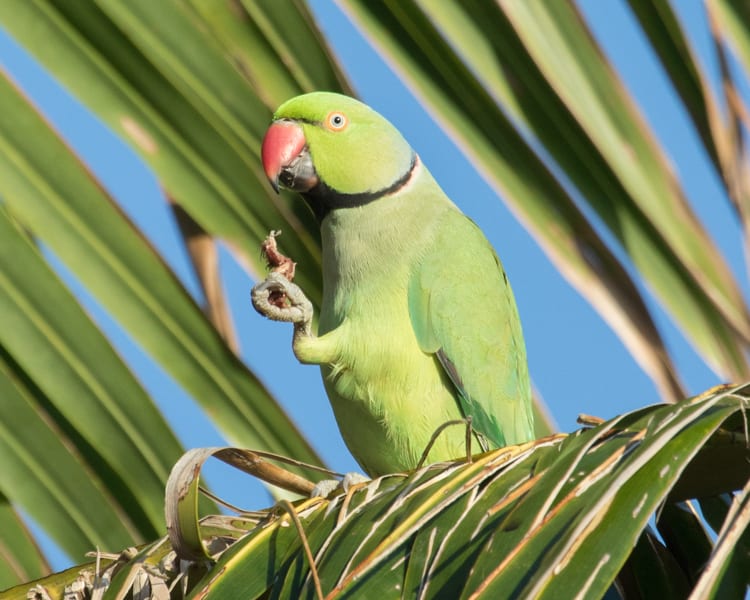
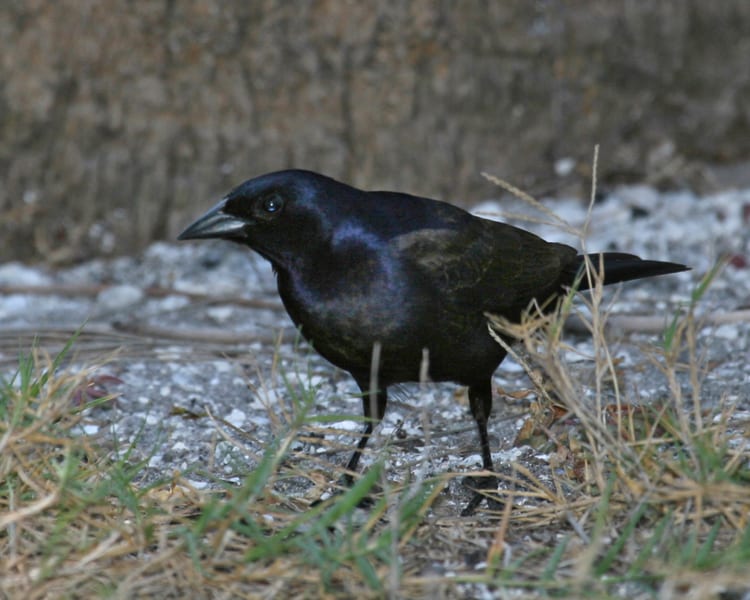
12/20/06  The day started with a search of both the cell-phone waiting area and the south perimeter road at Fort Lauderdale Airport in an unsuccessful attempt to find the resident smooth-billed anis. An outing with long-time birder Paul Bithorn in the Hialeah/Miami Springs area was much more fruitful. Paul recently discovered a flock of bronzed cowbirds there (very unusual species for Florida) and was kind enough to point them out today, as well as common mynas and a mixed flock of resident wild parakeets. Many thanks to Paul for sharing some of his extensive local knowledge.


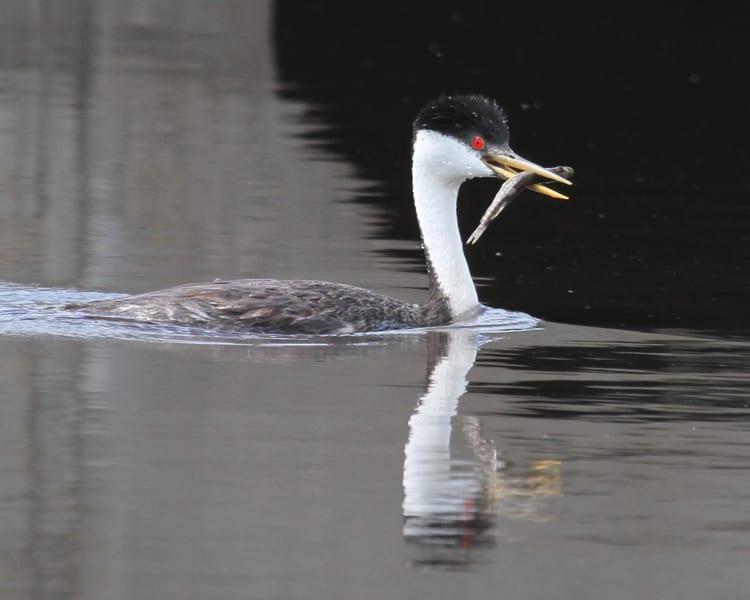
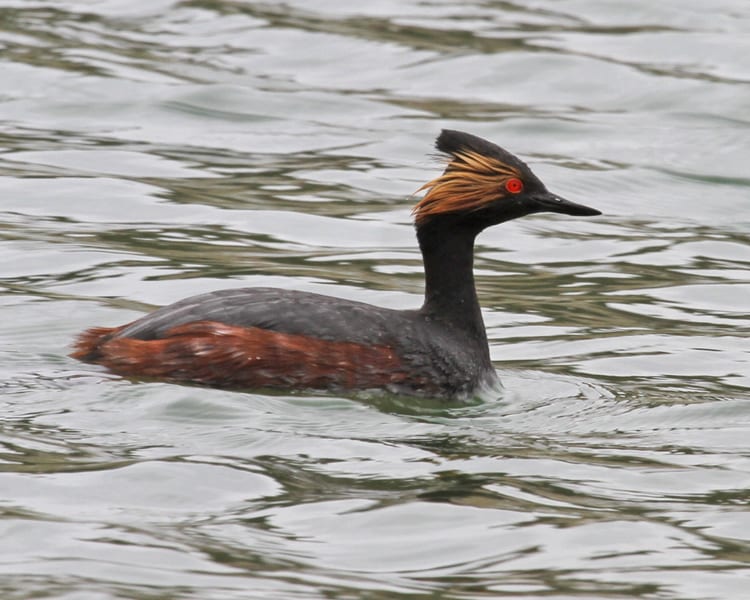
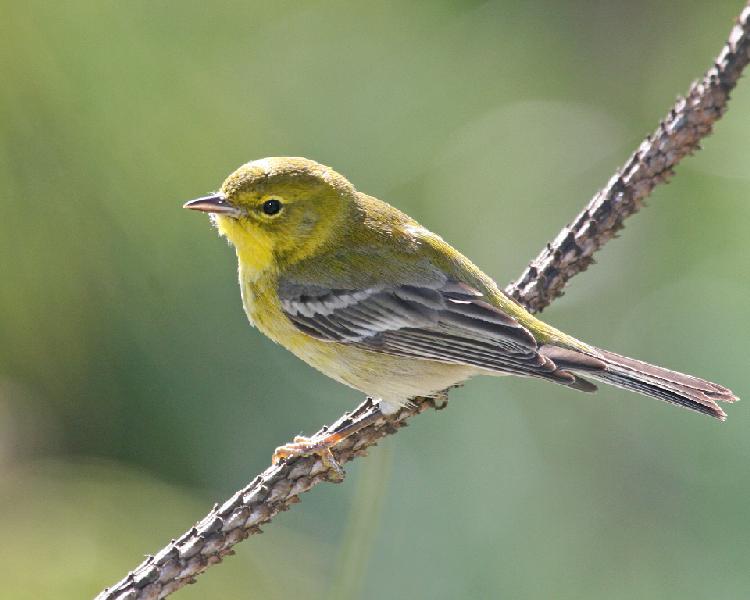
12/9/06  An eared grebe has been seen for the past week or so at Green Cay Wetlands in Boynton Beach FL. This is a western bird, and there have been very few recordings of this species in the state of Florida. It made thefront page of one section of the South Florida Sun Sentinel. It can be reliably seen in the large pond south of the nature center building, but it can be anywhere in that large pond so some patience and perserverance may be required. Green Cay is also an excellent place for many wading birds, various waterfowl, raptors including northern harrier, red-shouldered hawk, osprey, and American kestrel; there are also painted buntings, and some wintering warblers. The west side of the boardwalk from the parking lot to the nature center is an especially good spot for pine warblers.


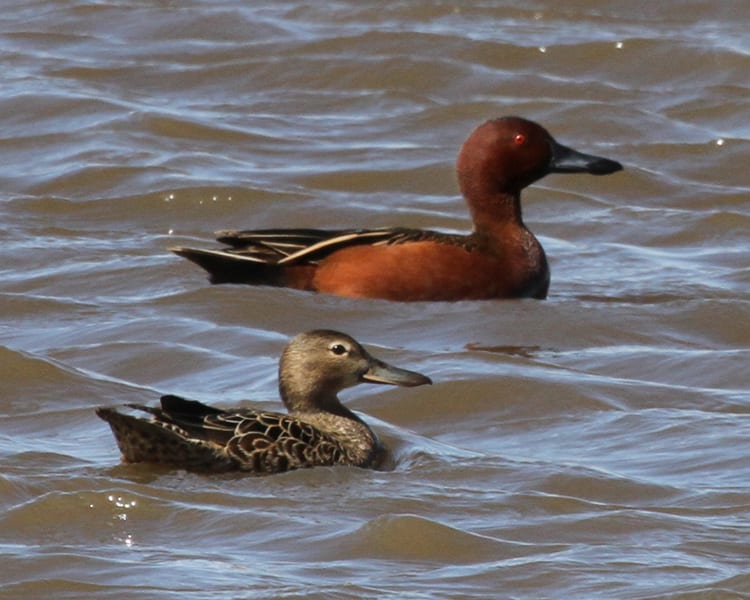
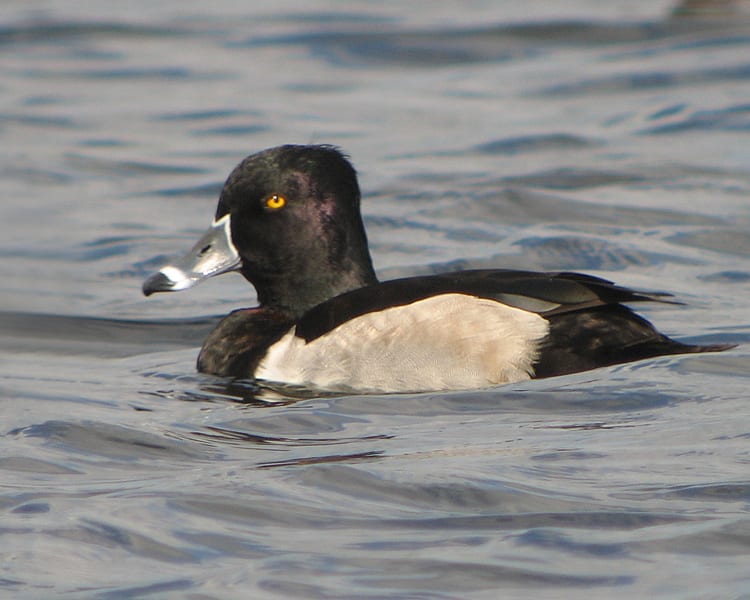
11-27 - 12/4/06  The annual migration from Connecticut to Florida is completed, and the trip was productive of a number of new site species. A day spent touring the Civil War battlefields at Gettysburg NP in Pennsylvania turned up a good number of red-headed woodpeckers, both adult and immature. A three-night stay with friends in Simpsonville, SC found Carolina chickadees in the front yard. We made a stop at Viera Wetlands, 8 miles north of Melbourne, FL to look for the uncommon masked duck (female) about which a friend had e-mailed, and sure enough the bird was still in the identical location after three weeks. Also present was one lone cinnamon teal hidden amongst a huge flock of what must have been thousands of mostly blue-winged, and many dozens of green-winged, teals. Viera is a treasure trove of many species of wading birds and wintering ducks - including northern shoveler, hooded merganser, ruddy duck, ring-necked duck, and others, as well as a virtually assured site for seeing the resident bald eagles.


                                                                       Month of November

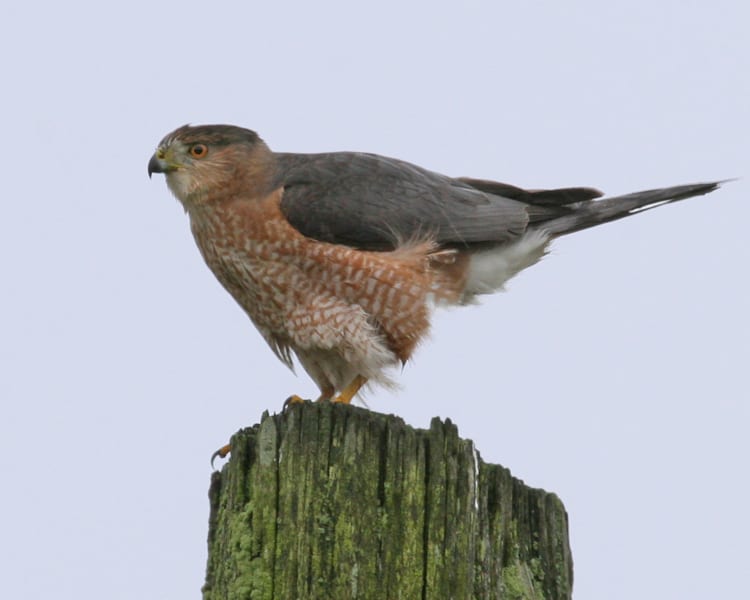
11/22/06 For the past four days our bird feeder here in Connecticut has been visited each morning by a juvenile  Cooper's Hawk, who parks himself on the adjacent fence, hoping to nab a sparrow for lunch. What makes this a bit unusual is that we are situated directly on the shoreline, and the closest woodland habitat is at least a mile away. This picture was taken this morning right through our living room window.


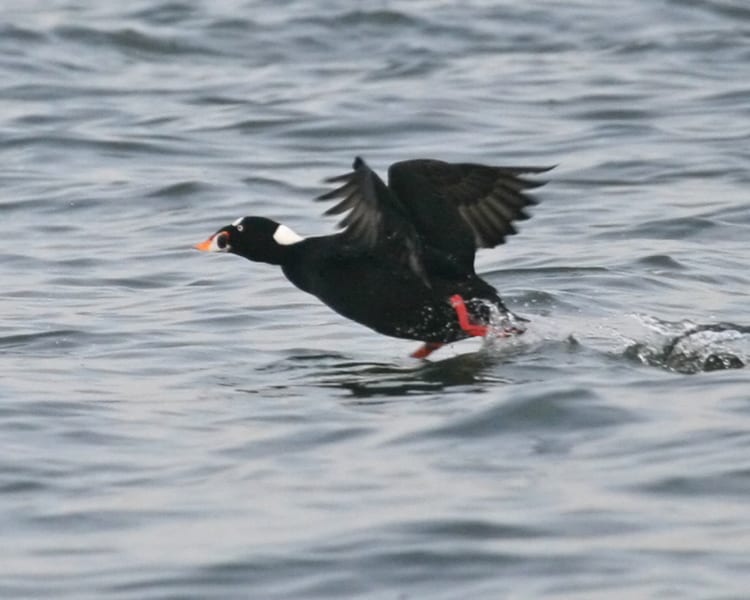
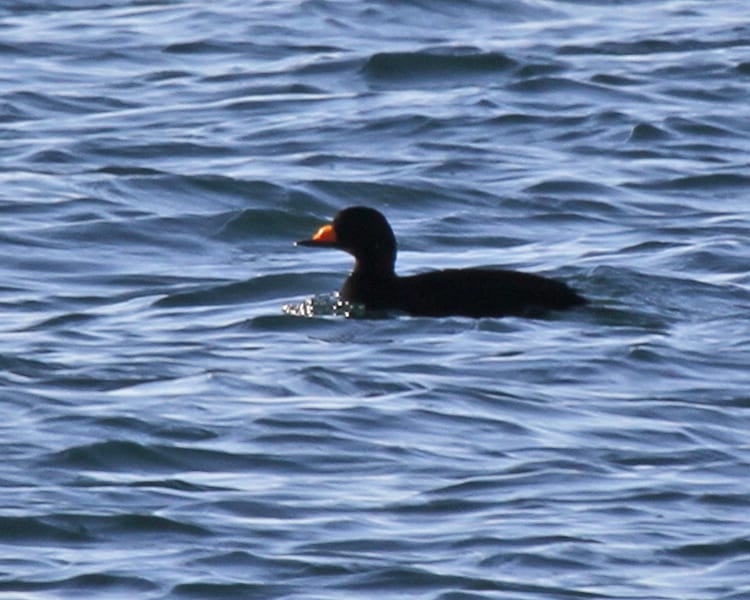
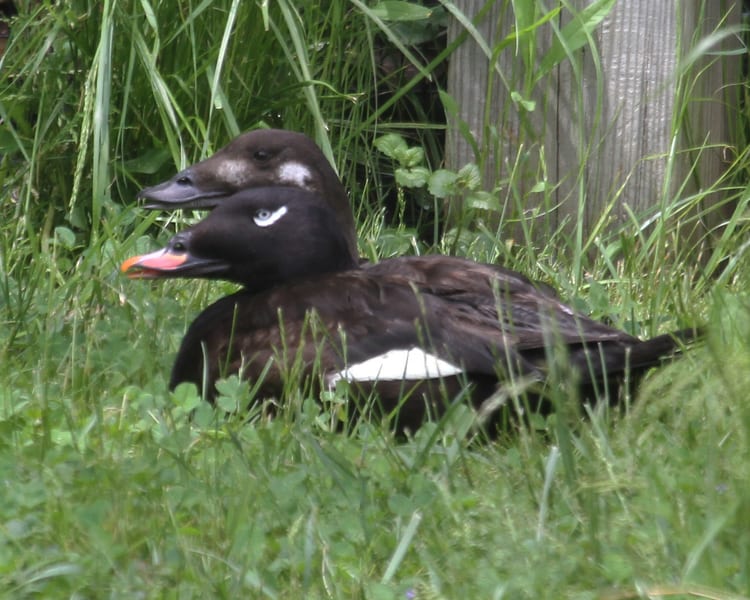
11/14/06 Surf Scoters at Hammonasset jetty.

11/9/06  Ruddy ducks (reasonably close-in) and buffleheads (too far out) at South Cove,
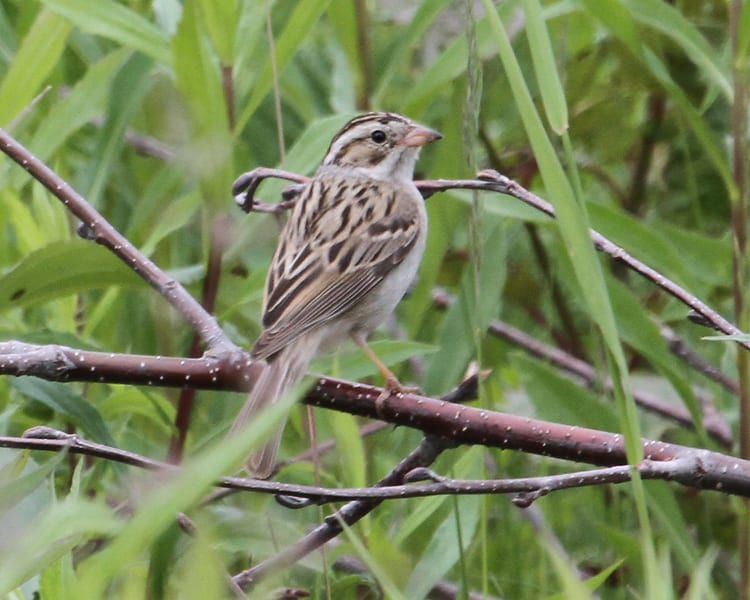
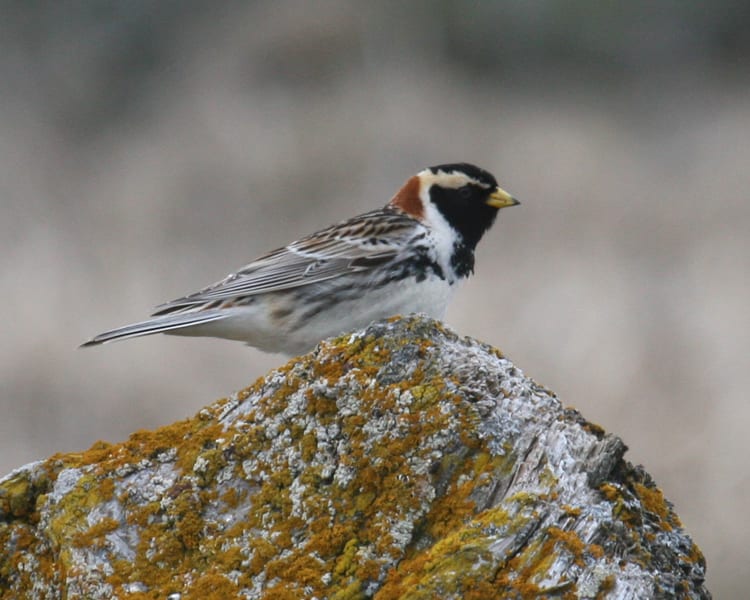
Old Saybrook CT.  New photos from Hammonasset State Park, Madison CT: clay-colored sparrow, Lapland longspur, downy woodpecker, cedar waxwing.


11/6/06  New photos of horned lark and snow bunting

11/5/06  The TEST YOURSELF section now offers over 380 plates. Run your cursor along the
horizontal spaces between the photos and give yourself a chance to make an ID before peeking at the answer.

                                                                             Month of October

10/23/06  NEW SECTION ADDED - try the new TEST YOURSELF pages.  Here you can have fun   while you test and hone your bird-identification skills. New pages will be added on an ongoing basis.

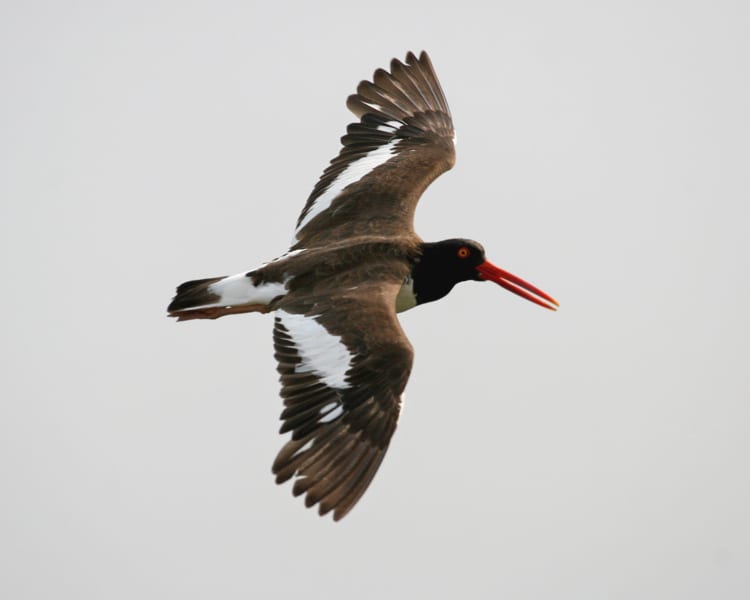
10/21/06  American oystercatchers are still here.        

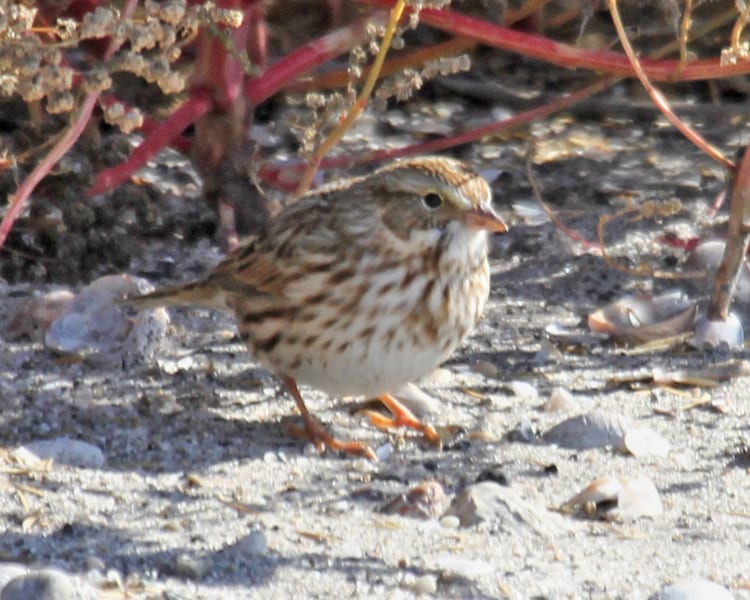
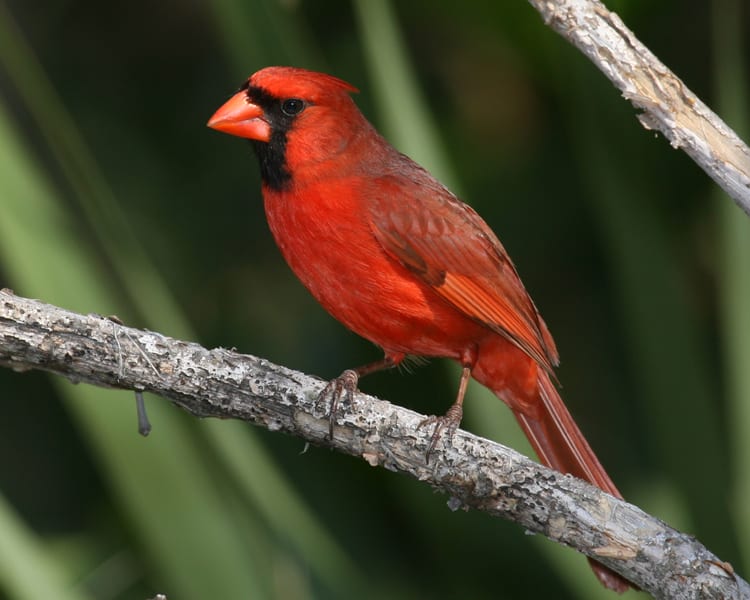
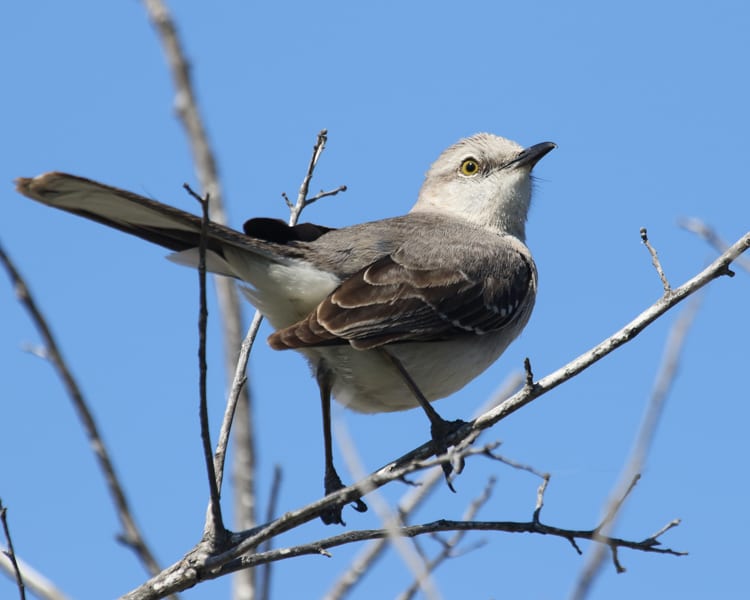
Current activity centers along the Connecticut Shore from home in Westbrook, south to the New Haven environs. Migrating shorebirds abound on the sandbars, and Hammonasset State Park in Madison is  an especially good year-round resource for both resident and migrant species. Species readily seen the past two weeks week at Hammonasset have included merlin, northern harrier, osprey, both kinglets, Savannah, white-crowned, white-throated, chipping, and song sparrows, dark-eyed junco, yellow, yellow-rumped, palm, common yellowthroat, and black & white warblers, indigo bunting, Carolina wren, and American black duck.  Black-capped chickadee, northern mockingbird, gray catbird, blue jay, northern flicker, northern cardinal, eastern phoebe, several gull species, and other common residents are always reliably present as well.

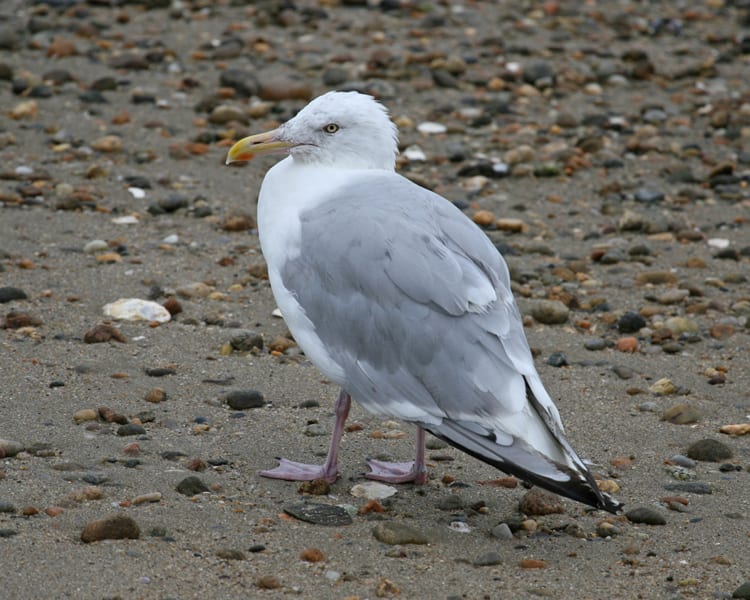
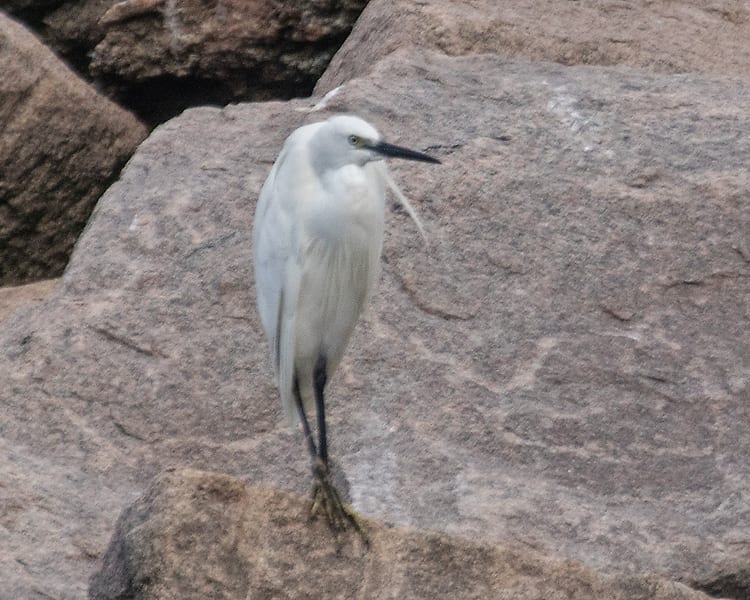
On the shore, daily sightings have been belted kingfisher, osprey, black-crowned night heron, greater and lesser yellowlegs, dunlin, willet, ruddy turnstone, semi-palmated and black-bellied plovers, herring, ring-billed, great black-backed, and laughing gulls, great and snowy egrets, great blue  and
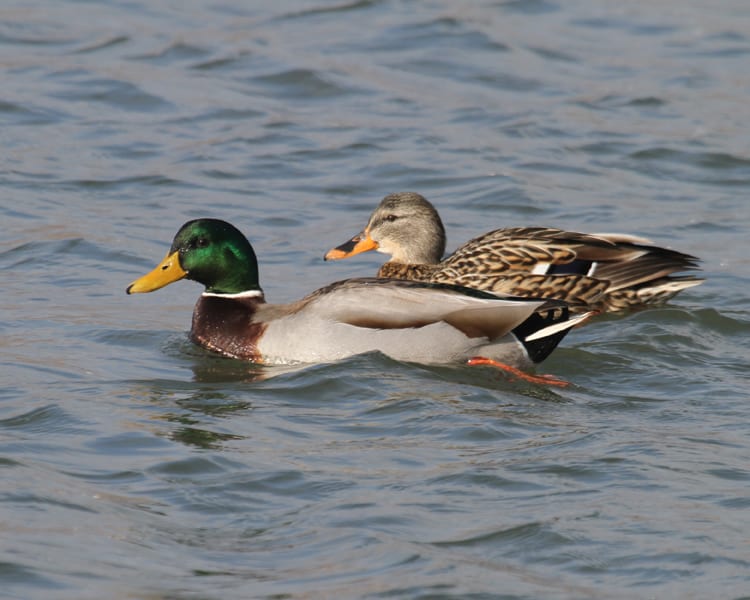
little blue herons, and the usual mallards and double-crested
cormorants. Passing through so far have been common
loon, and a juvenile spotted sandpiper.   Least, common, and
Forster's terns, daily fixtures here all summer, appear to have
departed for the season. New arrivals will soon include purple
sandpipers, brants, and various others. Stay tuned. Pictures of
all are on the site.


July 16 - July 26, 2006 - Western National Parks

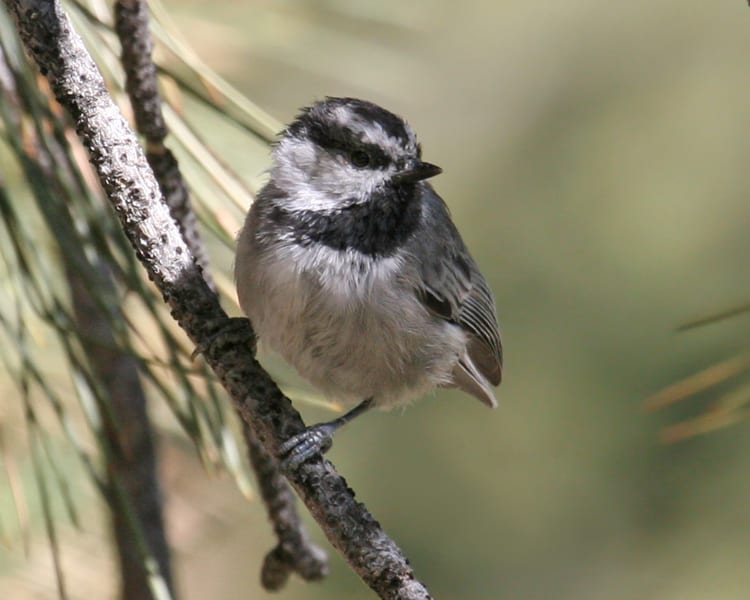
Early morning walk around Grand Canyon north rim found such western specialties as Band-tailed pigeon, Western Bluebird, Steller's Jay, Pygmy Nuthatch, Yellow-green Swallow, red-backed Dark-eyed Junco, Lesser Goldfinch, Red-shafted Northern Flicker, Mountain Chickadee, as well as numerous more general species such as Pine Siskin and Hairy Woodpecker. Bryce Canyon and Zion environs included Black-headed Grosbeak, Say's Phoebe,Townsend's Solitaire, Great-tailed Grackle, Mountain Bluebird, and Grace's Warbler. Moab area including Canyonlands and Arches NP's added Black-billed Magpie, Lazuli Bunting, Indigo Bunting, Western Kingbird, Rock Wren, Black-chinned Hummingbird, Common Raven, Spotted Towhee, Western Scrub Jay, and Black-throated Sparrow. Boulder, CO area, including Rocky Mountain National Park, found Swainson's Hawk, and Red Crossbill. There was just part of one day for Rocky Mountian NP and that was with friends who are not birders, and there were numerous park specialties for which there was no opportunity to look. Several species seen on the trip, such as Ash-throated Flycatcher and White-throated Swift eluded photos.


        u u2